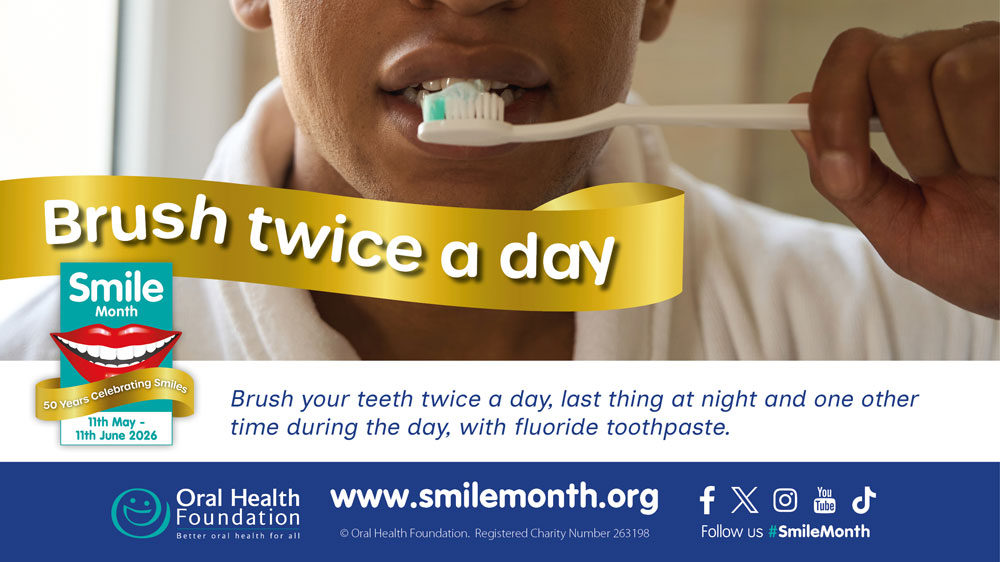
National Smile Month returns this May, celebrating 50 Years of Smiles to mark the 50th anniversary of the UK’s largest and longest-running oral health campaign. Run by the Oral Health Foundation, it runs from 11th May to 11th June, and as always we’re excited to support the campaign and share how you can get involved.
What is National Smile Month?
National Smile Month is an annual campaign designed to raise awareness of oral health and encourage people to build simple, lasting habits that protect their teeth and gums. It’s not about perfection. It’s not about dramatic overhauls. It’s about small, practical steps that fit into real life and add up to a real difference over time.
The campaign was borne from a simple idea — to help people understand how to look after their teeth and gums at home, not just in the dental chair. In the early days, advice about teeth wasn’t always easy to find, and many people only thought about their mouths when something hurt. Smile Month set out to change that, and over the decades it has grown from a modest public health message into a national movement involving dental teams, schools, workplaces and community groups right across the UK.
This year is particularly special. 2026 marks the 50th anniversary of Smile Month — a remarkable milestone that reflects just how far the campaign has come and how much it has shaped the way we think about our oral health as a nation. We’ll be exploring that story in more detail in our next blog, looking at how smiles — and attitudes towards them — have changed over the past five decades, and what we can expect in the next 50 years.
Why does Smile Month matter?
It might be tempting to think that a campaign about teeth is a minor concern in the grand scheme of things. But oral health touches daily life in ways that go far deeper than most people realise.
Problems in the mouth can cause pain that affects eating, sleeping and concentration. For children, dental discomfort can disrupt school. For adults, it can affect work, confidence and social life. The knock-on effects of poor oral health are wide-ranging, and yet many of the most common problems are entirely preventable with the right daily habits.
Modern life doesn’t always make it easy. Busy routines mean people often snack on the go. Sugary drinks are cheap and convenient. Tiredness and stress can cause healthy habits to slip. Smile Month brings attention back to the basics at a time when it’s easy to let things slide — and it does so in a way that feels supportive rather than preachy.
The three core messages of the campaign have stayed consistent over the years because they work:
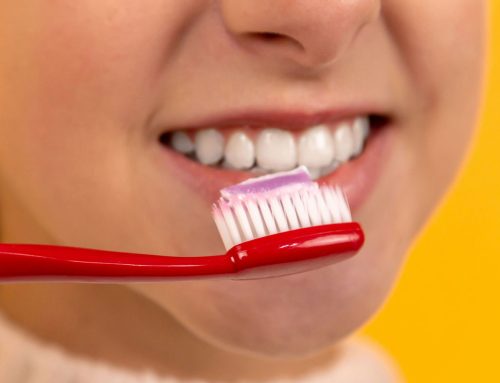
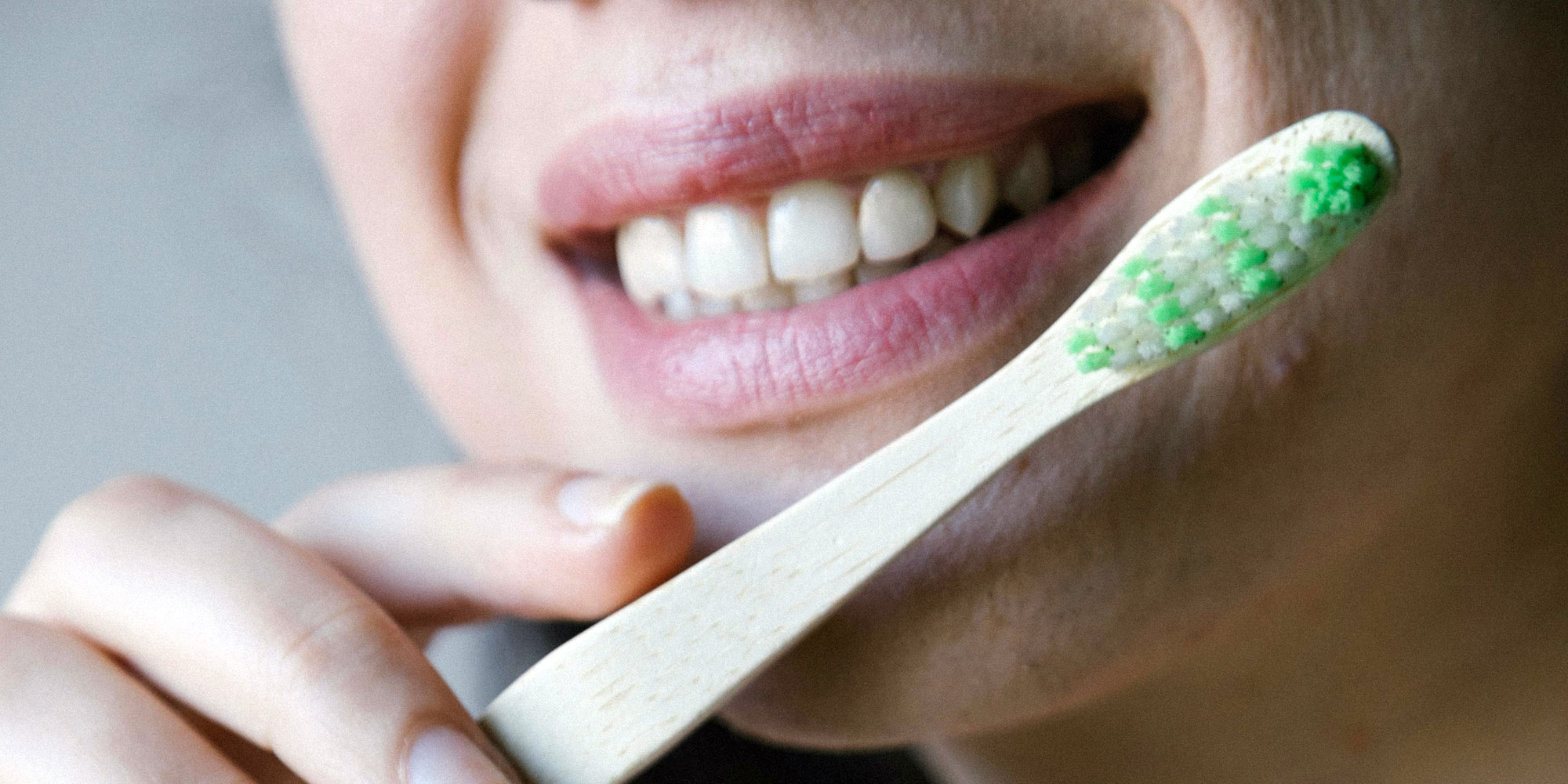
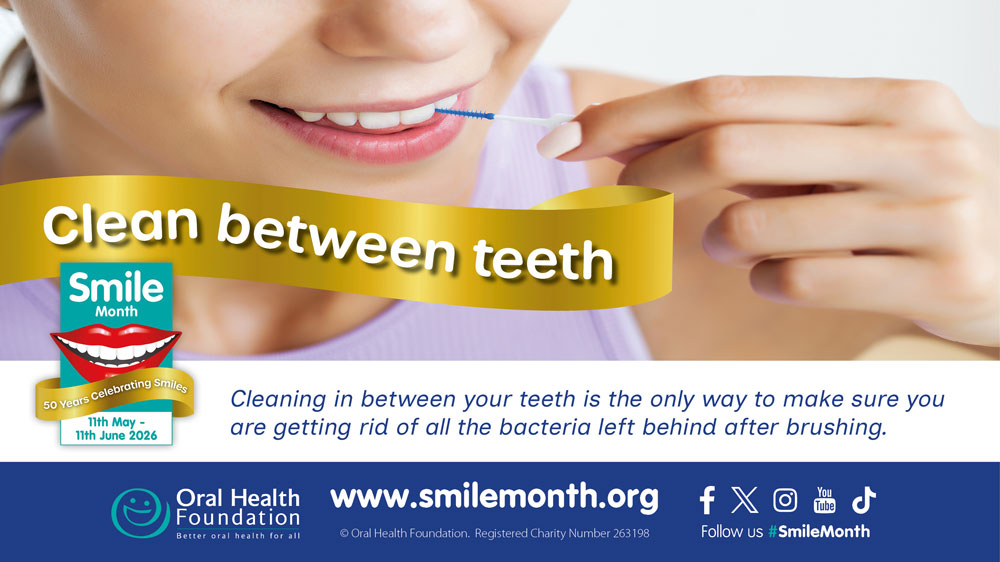
- Brush your teeth twice a day with a fluoride toothpaste.
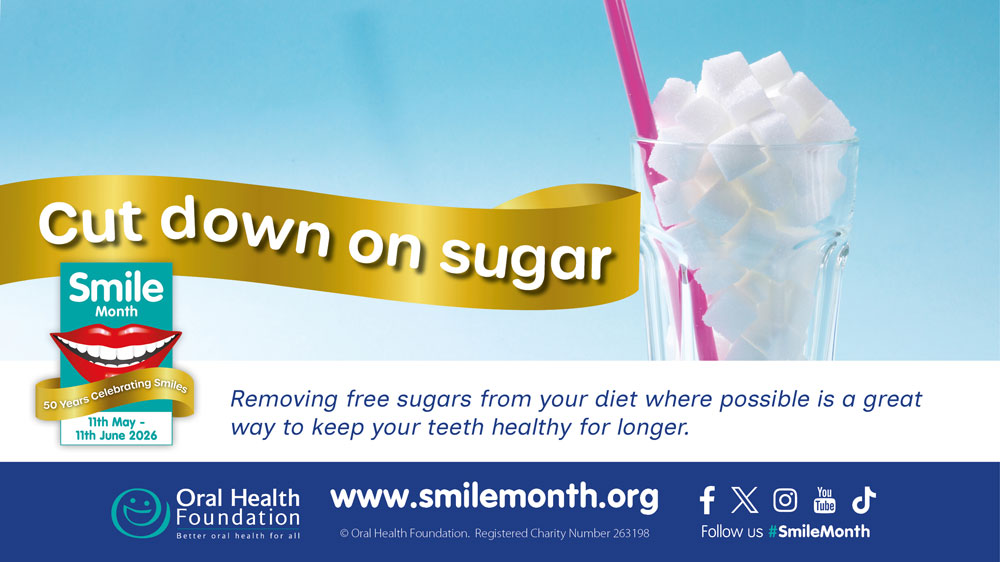
- Cut down on sugary food and drinks.
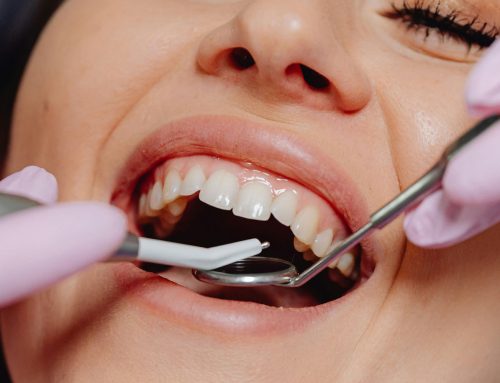
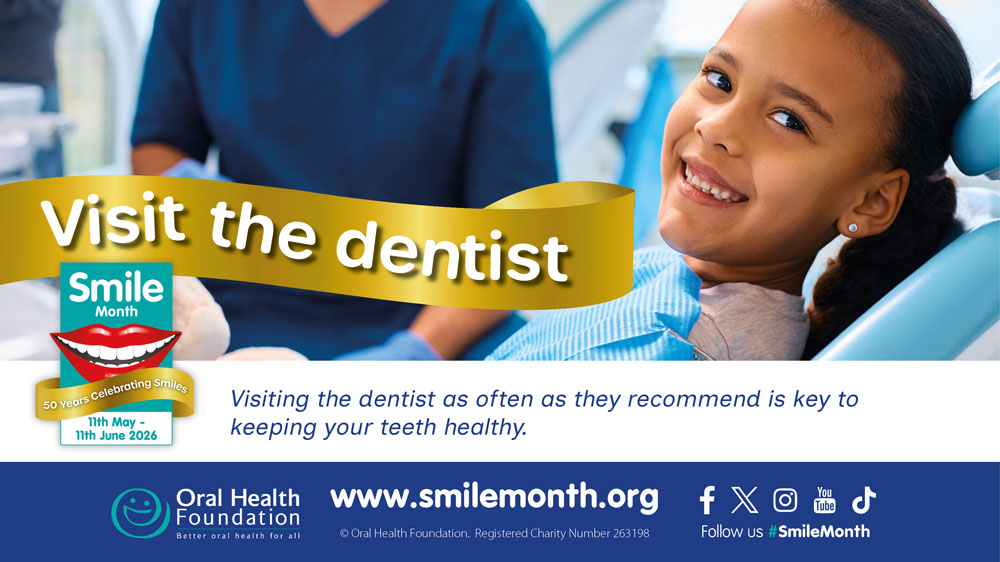
- Visit your dental team regularly.
Simple? Yes. But consistently applied, these three habits can prevent the vast majority of common dental problems.
Who is involved?
One of the things that makes Smile Month so effective is its reach. It’s not just a message from dentists — it’s a movement that runs through communities, schools, workplaces and families.
Dental teams use the month as a focused opportunity to have conversations with patients about their daily habits, share practical advice and run activities that make oral health feel approachable. Schools and youth groups use it to help children build healthy routines early — because the habits formed in childhood often stick for life. Workplaces increasingly recognise oral health as part of overall wellbeing and use the campaign to share resources and encourage healthier choices throughout the working day.
Families are at the heart of it all. Parents and carers make daily decisions about food, drinks and routines that have a direct impact on their children’s dental health. Smile Month gives families practical, realistic ideas they can put into action straight away.
How can you get involved?
The great thing about Smile Month is that getting involved doesn’t have to be complicated. Here are a few ideas to try at home throughout the campaign:
- Start a family brushing routine challenge. Set a timer, brush together and make it part of the daily rhythm rather than a battle. Use a chart or stickers with younger children to track the routine and celebrate the small wins.
- Choose water more often. Swapping sugary drinks for water is one of the simplest things you can do for your teeth. Try making it a household goal for the month and see how it feels.
- Pick smile-friendly snacks together. Get children involved in choosing snacks that are kinder to their teeth — cheese, vegetables, plain yoghurt, nuts and fresh fruit are all great options. Making it a family conversation rather than a rule helps it stick.
- Talk about it. One of the most powerful things Smile Month does is make oral health a normal topic of conversation. Ask your children what they know about looking after their teeth. Share what you know. Normalising these conversations at home makes it easier for children to ask questions and develop healthy attitudes as they grow up.
- Book a check-up. If it’s been a while since your last appointment, Smile Month is the perfect prompt to get booked in. Catching problems early always makes them easier — and cheaper — to treat. You can book an appointment at the Wellesley Dental Practice easily via the link on every page of our website (even if you’ve never visited us before!) or give us a call on 020 8994 9292.
You can also find lots of useful information on the Oral Health Foundation website.
Join the movement
National Smile Month is a reminder that oral health isn’t something that happens in the dental chair once or twice a year — it’s built day by day, at home, in small moments. This year, as the campaign celebrates its 50th anniversary, is a brilliant time to be part of it.
Look out for our next blog, where we’ll be taking a look back at five decades of Smile Month — how the campaign has evolved, how attitudes to oral health have changed, and what the next 50 years might hold.
In the meantime, happy Smile Month from all of us at Wellesley Dental Practice. 😊