This year, National Smile Month reaches a milestone that would have seemed extraordinary to the small group of people who launched it back in 1976. Fifty years on, what began as a modest public health campaign has become one of the most recognised oral health initiatives in the UK. Something we believe is worth celebrating – and worth reflecting on.

Where it all began
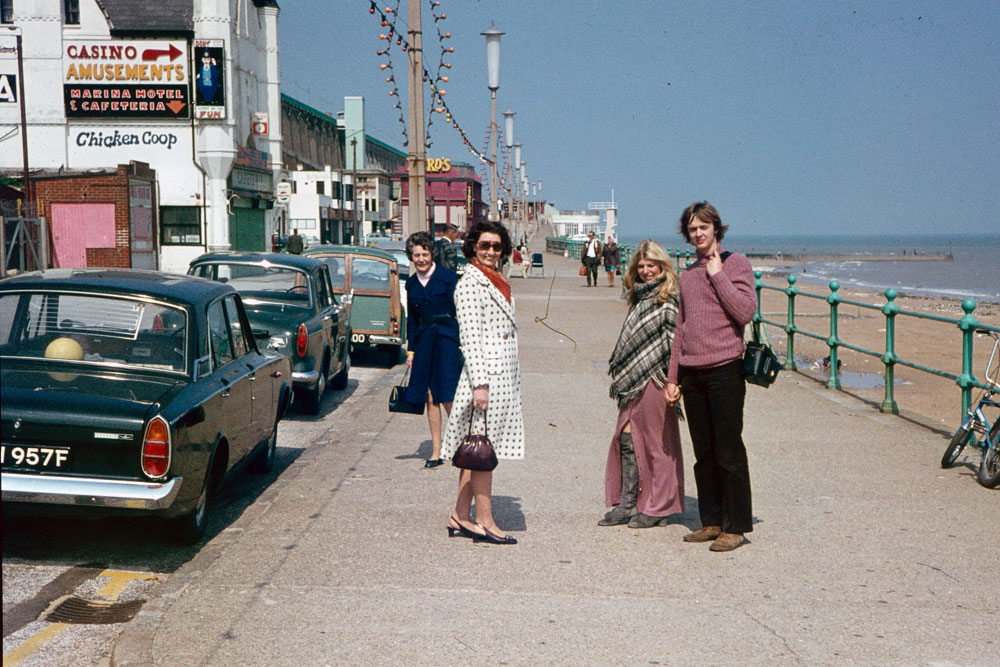
In the mid-1970s, dental care looked very different. Many people only visited the dentist when something went wrong. It was widely accepted — even expected — that people would lose most of their teeth by the time they reached middle age. The idea that everyday habits at home could prevent most dental problems wasn’t widely understood, and advice wasn’t always easy to find.
Smile Month started with a simple mission: to help people understand how to look after their teeth and gums in their daily lives, not just when they were sitting in the dental chair. The early campaign focused on clear, practical messages that anyone could act on. Brush your teeth. Cut down on sugar. See your dentist.
It sounds straightforward now. But at the time, getting those messages out to families across the UK required real effort — posters, leaflets, community events and the support of dental teams willing to go beyond the surgery walls to reach people where they were.
How the campaign has grown
From those early beginnings, Smile Month has grown steadily and significantly. Schools began to get involved, helping children build healthy habits early. Workplaces joined in, recognising that oral health is part of overall wellbeing. Community groups, charities and health organisations came on board, helping to reach people who might not have regular access to dental care.
The way advice is shared has changed enormously too. Posters and leaflets gave way to national media coverage, then to digital campaigns, social media and online resources. The tools have evolved, but the goal has always been the same — clear, practical advice, shared as widely as possible, year after year.
Each decade brought new challenges. Food and drink choices changed. Busy modern lifestyles made healthy routines harder to maintain. New products and technologies arrived. The campaign adapted to each shift, finding new ways to make its messages feel relevant and realistic for the people it was trying to reach.
How smiles have changed
The progress made over 50 years is genuinely remarkable. In the 1970s, it was common for people to have significant tooth loss by their forties or fifties. Today, that has changed dramatically. More people are keeping their natural teeth for longer. Awareness of daily brushing and cleaning between teeth is much higher. There is a far better public understanding of how food and drink affect oral health.
Attitudes have shifted too. Mouths are no longer seen as separate from the rest of the body. There is now widespread recognition that oral health is connected to overall health — from cardiovascular disease to diabetes to mental wellbeing. That shift in understanding is partly thanks to decades of public education, and Smile Month has played a meaningful role in that.
Confidence around oral health has also changed. People are more willing to talk about their teeth, ask questions and seek advice. The stigma and embarrassment that once surrounded dental problems hasn’t disappeared entirely, but it has reduced significantly. A national campaign that normalises conversations about teeth has helped make that possible.
The challenges that remain
Progress has been real, but it hasn’t been equal. Oral health still follows a clear social gradient — the more disadvantaged a community, the higher the rates of dental disease. Children in some parts of the UK still experience significant tooth decay at very young ages. Access to NHS dental care remains a challenge in many areas.
Modern life continues to create new pressures. Ultra-processed foods and sugary drinks are more prevalent than ever. Busy routines make consistent habits harder to maintain. And while information is more accessible than at any point in history, it isn’t always accurate or easy to act on.
These are the challenges that Smile Month is still working to address — not just by raising awareness, but by equipping people with the practical tools and confidence to make changes that last.
Looking ahead — the next 50 years
To mark this milestone, the Oral Health Foundation are publishing a special report exploring the most important and influential moments in oral health over the past five decades, alongside a vision for what the next 50 years should look like.
The vision is simple but ambitious — a future where everyone has the knowledge, confidence and support to care for their smile, regardless of where they live or their background. That means better integration between dental and general healthcare. It means more focus on prevention. It means continuing to reach communities that are hardest to reach. And it means keeping the message clear, practical and human — because that’s what has worked for 50 years.
Celebrating with us
At the Wellesley Dental Practice, we believe that looking after your smile is one of the most straightforward investments you can make in your overall health and quality of life. National Smile Month is a brilliant reminder of that — and its 50th anniversary is a moment to appreciate just how much has changed, and how much simple advice, consistently shared, can achieve over time.
If you haven’t booked a check-up recently, there’s no better time than now. Get in touch via our contact page or call us on 020 8994 9292 — we’d love to see you.