

The school summer holidays are finally here, and perhaps you’ve probably already got flights booked, bags half-packed, and a countdown running to your next holiday. Between choosing what to pack and figuring out your travel itinerary, dental health is probably one of the last things on your list of stuff to think about. But a bit of planning now can save you a lot of hassle (and pain) later, especially if you’re heading somewhere remote or a long way from home.
Here’s what to keep in mind to protect your smile this summer.

Book a check-up before you go
If it’s been a while since your last dental appointment, now’s a good time to get one booked in. A quick check-up can catch small problems, like a weakening filling or the start of a cavity, before they turn into something more serious. The last thing you want is a toothache flaring up halfway through your trip, especially if you’re somewhere without easy access to a dentist you trust.
If you already know you’ve got a dental issue that needs sorting, don’t put it off until you’re back. Get it dealt with before you travel so you’re not managing it on holiday.

Watch out for sugary treats
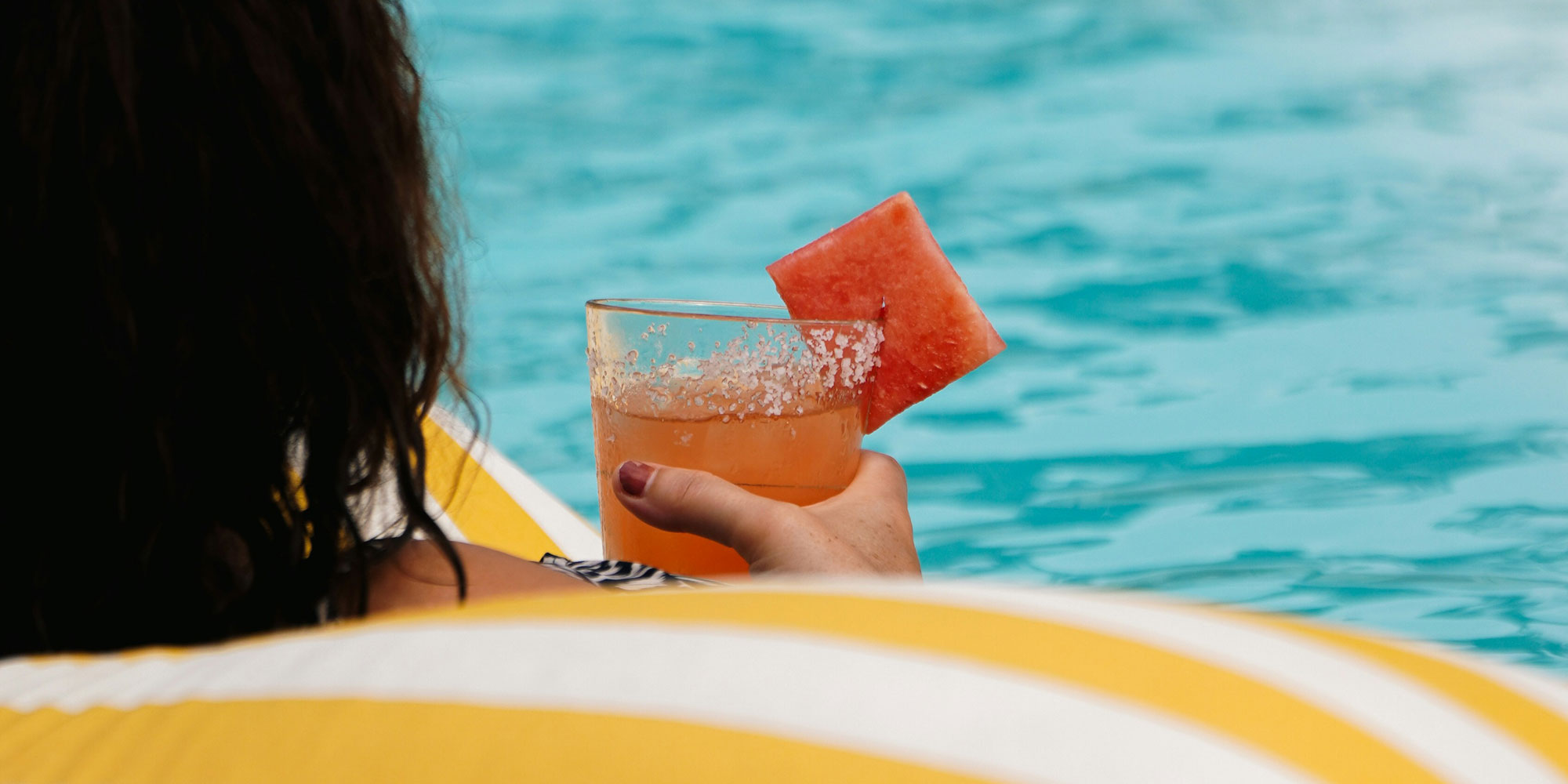
Summer holidays often come with a lot more sugar than usual. Ice creams, cocktails, fizzy drinks by the pool, exotic sweets or all inclusive dessert buffets. All fairly standard holiday indulgences, but sugar is still sugar, wherever you are – and your teeth will feel the effects if you’re not careful!
You don’t need to avoid it all completely. Just try to be a bit more mindful. Rinse your mouth with water after sugary drinks or snacks where you can, and try not to sip on sugary drinks continuously throughout the day, as this keeps your teeth exposed to sugar for longer. If you can, stick to mealtimes for treats rather than grazing throughout the day.
Be careful with ice and hard foods
We all know how tempting it feels to crunch down on the ice in your cold drink, especially when it’s hot outside, but this is one of the most common ways people end up with a chipped or cracked tooth on holiday. The same goes for hard foods like nuts, ice lollies, or anything crunchy that puts unnecessary pressure on your teeth. If you want your drink cold, let the ice melt a little rather than chewing it.
And on that note, please don’t use your teeth as tools. We know it’s tempting to rip open a bag of crisps or pop a bottle top with your teeth when you’re relaxed and don’t have scissors to hand, but it’s a surprisingly common cause of chipped and broken teeth. Think about packing a bottle opener in your holiday bag instead – but of course, don’t put anything sharp in your hand luggage!
Pack a mini dental kit
It’s easy to forget the basics when you’re rushing to pack, but a small dental kit can make a big difference if something goes wrong while you’re away. We’d suggest packing:
- A travel-sized toothbrush and toothpaste
- Dental floss or interdental brushes
- Pain relief, in case of toothache
- Dental wax, if you wear braces or have anything with sharp edges that could rub
- The details of your dental practice back home, in case you need advice while you’re away
If you wear a retainer or any kind of dental appliance, don’t forget to pack the case! Retainers going missing on holiday (often left wrapped in a napkin or tissue and accidentally thrown away) is more common than you’d think.
Know what to do in a dental emergency abroad
Dental emergencies don’t wait for a convenient time, so it’s worth knowing what to do if something happens while you’re away.
If you chip or crack a tooth, try to keep any broken pieces if you can, and avoid chewing on that side of your mouth until you can get it looked at. If a tooth gets knocked out completely, try to keep it moist, either back in the socket if possible, in milk, or held in your cheek, and get to a dentist as quickly as you can. The sooner it’s treated, the better your chance of saving the tooth.
If you’re travelling in the EU, it’s worth getting a Global Health Insurance Card (GHIC), which can help cover the cost of necessary treatment. GHIC cards are free, find out more about them and how to apply on the NHS website. A GHIC card replaces the older EHIC cards that used to be available for travel in Europe. If you have an existing EHIC you can continue to use it until the expiry date on the card. Once it expires, you’ll need to apply for a UK GHIC to replace it.
For destinations further afield, check whether your travel insurance covers dental emergencies, as not all policies do this as standard.
A little planning goes a long way
None of this is about avoiding fun or being overly cautious. It’s just about being a little prepared so a small issue doesn’t turn into a bigger one while you’re away from home. A pre-holiday check-up, a bit of mindfulness with sugary treats, and a small dental kit in your suitcase can make all the difference.
If you’d like to get a check-up booked in before you jet off this summer, get in touch and we’ll do our best to get your booked in before you go – you can also use our online booking system to check availability or book an appointment, even if it’s your first time visiting.



Leave A Comment