Every November, Mouth Cancer Action Month raises vital awareness about oral cancer in the UK. Led by the Oral Health Foundation, it is the country’s largest campaign dedicated to improving understanding, early detection, and prevention of mouth cancer. Since its launch in 2000, the campaign has invested nearly £2 million into public education and awareness initiatives, helping communities stay informed and attentive to changes in their oral health. But with more than 8,800 new cases diagnosed in the UK each year, and rates continuing to rise, there is still important work to be done.
We are committed to supporting this campaign throughout November. Raising awareness of mouth cancer—what it is, how to spot it, and how to reduce your risk—is one of the most effective ways to save lives. Early detection dramatically improves the chances of successful treatment, and with routine dental check-ups, self-examinations at home, and public engagement, we can all take steps to become more #MouthAware.
How to spot mouth cancer
Although many people are familiar with cancers that affect the lungs, breasts, or skin, fewer are aware that cancer can also develop in the mouth. Mouth cancer can affect the lips, tongue, cheeks, gums, floor of the mouth, roof of the mouth, and the throat (oropharynx). It can present in different forms, sometimes subtly, which is why awareness and routine examinations are so essential.
Mouth cancer can develop in any of the following areas:
- The tongue
- The inside lining of the cheeks
- The roof of the mouth
- The floor of the mouth under the tongue
- The gums
- The lips
- The throat and tonsil area
Anyone can be affected, whether or not they have natural teeth. Historically, mouth cancer has been more common in people over 40 and in men, but recent trends show rising cases among younger adults and women, underscoring the importance of awareness across all age groups.

Signs and symptoms to look out for
One of the most concerning aspects of mouth cancer is that the early symptoms can easily be overlooked. Many begin as small, painless changes that people often dismiss. However, if detected early, treatment outcomes are significantly more successful.
The most common early indicators include:
- Mouth ulcers that do not heal within three weeks. While many ulcers resolve on their own, a persistent ulcer can be a warning sign.
- Unusual red or white patches in the mouth, known as erythroplakia and leukoplakia. These patches are not always cancerous but can sometimes develop into cancer if left unchecked.
- A lump or thickening in the mouth, jaw, or neck.
- Persistent hoarseness or a change in the voice.
- Difficulty chewing, swallowing, or moving the tongue or jaw.
- Unexplained numbness or pain in the mouth or lips.
- Unexplained bleeding from areas in the mouth.
If you notice any of these symptoms, especially if they last longer than three weeks, it is essential to seek advice from a dentist or doctor. Early diagnosis can dramatically improve the chances of a complete cure.

How mouth cancer is detected
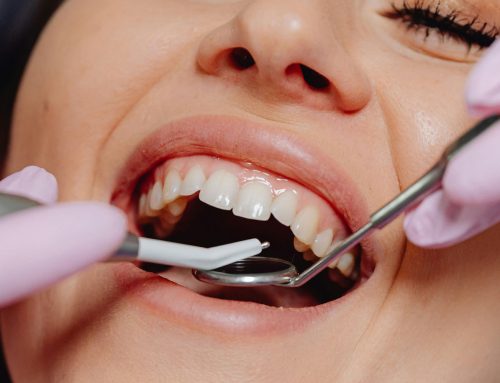
During a routine dental examination, your dentist will check all areas of the mouth, including the parts that may be difficult for you to see yourself. This includes examining the inside of the cheeks, the underside of the tongue, the roof and floor of the mouth, and the throat. Your dentist will also check your neck and jaw for any lumps or abnormalities.
If something unusual is spotted, you may be referred to a specialist for further investigation. This often involves a biopsy, where a small sample of tissue is examined under a microscope. If cancerous cells are present, additional tests such as scans, x-rays, or blood tests may be arranged to determine the best course of treatment.
Early detection remains one of the most effective ways to improve survival rates. Unfortunately, many people delay seeking help because they assume their symptoms are harmless. Regular dental check-ups significantly reduce this risk because your dental team can identify early abnormalities long before they become serious.
Mouth cancer risk factors
Understanding the causes and risk factors associated with mouth cancer is a powerful step in prevention. While anyone can develop the condition, certain lifestyle factors and exposures are strongly linked to increased risk.
Tobacco use
Tobacco remains the leading cause of mouth cancer worldwide. This includes cigarettes, cigars, pipes, and smokeless tobacco products. In some regions, cultural habits such as chewing betel quid, paan, or gutkha significantly increase the risk and are linked to high rates of mouth cancer in countries such as India.
Alcohol consumption
Alcohol is another major risk factor. Drinking alcohol increases the likelihood of developing mouth cancer, and the risk becomes even greater when alcohol is combined with tobacco. Research shows that alcohol and tobacco together multiply the risk far beyond what either causes alone.
Human Papillomavirus (HPV)
HPV has become an increasingly important risk factor in recent years, particularly for cancers developing in the back of the mouth and throat. HPV is transmitted through skin-to-skin contact, including oral sex. Many people carry HPV without symptoms, and for most it does not cause serious health problems. However, certain strains of HPV can lead to cancer.
The HPV vaccine, routinely offered to children aged 12 to 13, was originally developed to prevent cervical cancer but is also likely to reduce future cases of mouth cancer.
Excessive sun exposure
Prolonged exposure to the sun can increase the risk of cancer on the lips. Using lip balms with SPF protection is a simple but effective way to reduce this risk.
Diet and overall health
A diet low in fruits and vegetables has been associated with a higher risk of mouth cancer. Conversely, a healthy, balanced diet rich in antioxidants can help protect against many forms of cancer, including those affecting the mouth.

Reducing your risk
There are several steps you can take to lower your chances of developing mouth cancer:
- Stop smoking and avoid all forms of tobacco.
- Reduce alcohol consumption.
- Protect your lips from the sun with SPF lip balms.
- Maintain a healthy diet rich in fruit and vegetables.
- Attend regular dental check-ups.
These simple lifestyle changes can make a significant difference to your long-term oral and general health.
How to get involved – and support Mouth Cancer Action Month
Mouth Cancer Action Month is not only about raising awareness but also about encouraging people to take practical steps that may help save lives. There are many ways to get involved, whether by educating others, fundraising, or taking part in campaign events.
Blue Wednesday
One of the campaign’s most recognised events is Blue Wednesday, an annual day during November dedicated to drawing attention to mouth cancer. Participants often dress in blue, hold awareness sessions, or share information online to help spark conversations about the disease. This year Blue Wednesday will be on 12th November. You can find out more on the Oral Health Foundation website.
Fundraising and community support
Fundraising plays a crucial role in supporting the Oral Health Foundation’s work. Donations help fund educational materials, public outreach programmes, and research into mouth cancer prevention and early detection. You can find lots of fundraising ideas on the Oral Health Foundation website. They also have a Blue Ribbon appeal raising money for this important work. Find out more here.
Raising awareness among friends and family
Simply talking about mouth cancer can make a difference. Sharing information online, encouraging loved ones to check their mouths regularly, and promoting the importance of dental check-ups all help spread the message. Many people still underestimate the seriousness of mouth cancer or are unaware of the early signs. Starting conversations can help change that.
Promoting self-examination
One of the most impactful actions the public can take is to become more familiar with what is normal in their own mouths. Self-examination is simple and takes only a few minutes. By checking your mouth regularly for changes, you can spot potential problems early and seek professional advice quickly.

The more we know about mouth cancer, the better equipped we are to beat it. By raising awareness, promoting early detection, and encouraging healthier lifestyle choices, we can help reduce the number of lives affected by this disease.