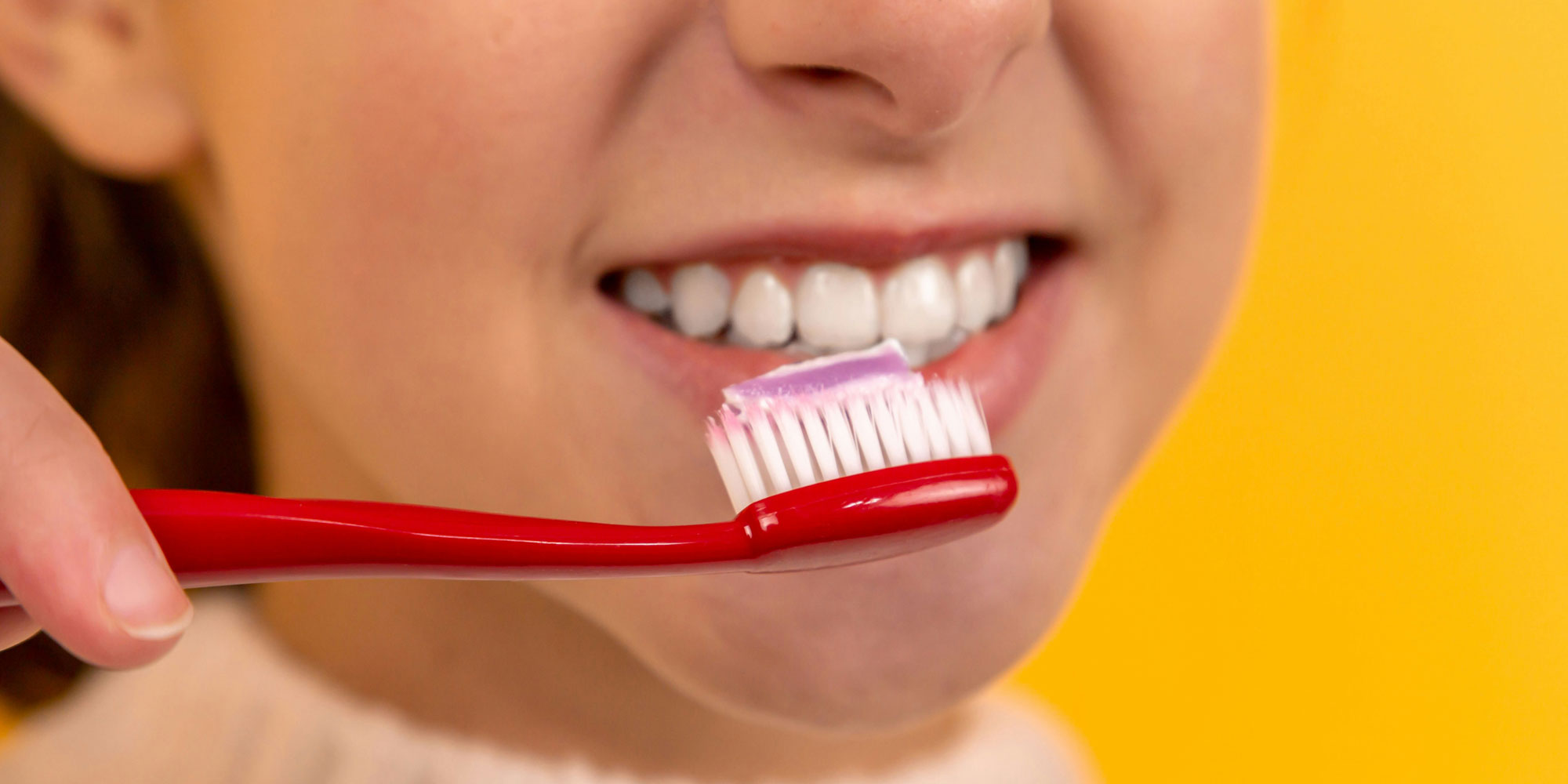
Smile Month may be over but we’ve got a new reason to celebrate and raise awareness around oral health. It’s National Toothbrush Day on the 26th of June, which gives us a very good excuse to ask a question most of us never think about: is the toothbrush in your bathroom actually any good, are you using it properly and getting the best oout of your toothbrush?
We’ve just come to the end of National Smile Month, the Oral Health Foundation’s flagship campaign, which this year marked its 50th anniversary. One of the biggest things it highlighted is something the charity calls brushing blind — millions of people brushing their teeth every day without any real idea of whether they’re doing it well. Nearly a third of UK adults brush for less than the recommended two minutes, and many use the wrong pressure or miss key areas entirely.
So in the spirit of the day, here’s a proper look at toothbrushes: how to pick one, when to bin it, and whether the bamboo version on the shelf is worth the extra cost.

Manual or electric?
Both can do the job well. A manual toothbrush, used correctly, with the right technique and for a full two minutes, removes plaque just as effectively as an electric one. The catch is whether it is actually used correctly — and that’s where most people fall short.
Electric toothbrushes take some of the guesswork out. Many now come with built-in timers, so you know when you’ve hit two minutes, and pressure sensors that let you know if you’re brushing too hard. This matters more than people realise — pressing too firmly doesn’t clean better, it just wears down enamel and irritates your gums over time.
If you’ve never used an electric toothbrush and you’re not sure it’s worth the switch, the honest answer is: it depends on your technique. If you already brush well, for two minutes, twice a day, a manual brush is fine. If you’re not sure how well you’re brushing, or you know you tend to rush it, an electric brush with feedback features can genuinely improve things without you having to think about it.

Soft, medium, or hard bristles?
The Oral health Foundation recommends soft bristles. This trips a lot of people up because “medium” sounds like the safe middle ground, but medium and hard bristles are too abrasive for most people’s gums and enamel. Soft bristles clean just as effectively when paired with the right technique — small circular motions, not aggressive back-and-forth scrubbing — and they’re far gentler on your gum line. If you’ve ever noticed your gums receding or felt sensitivity along the gum margin, your brushing pressure or bristle choice is often the cause.
When to change your toothbrush
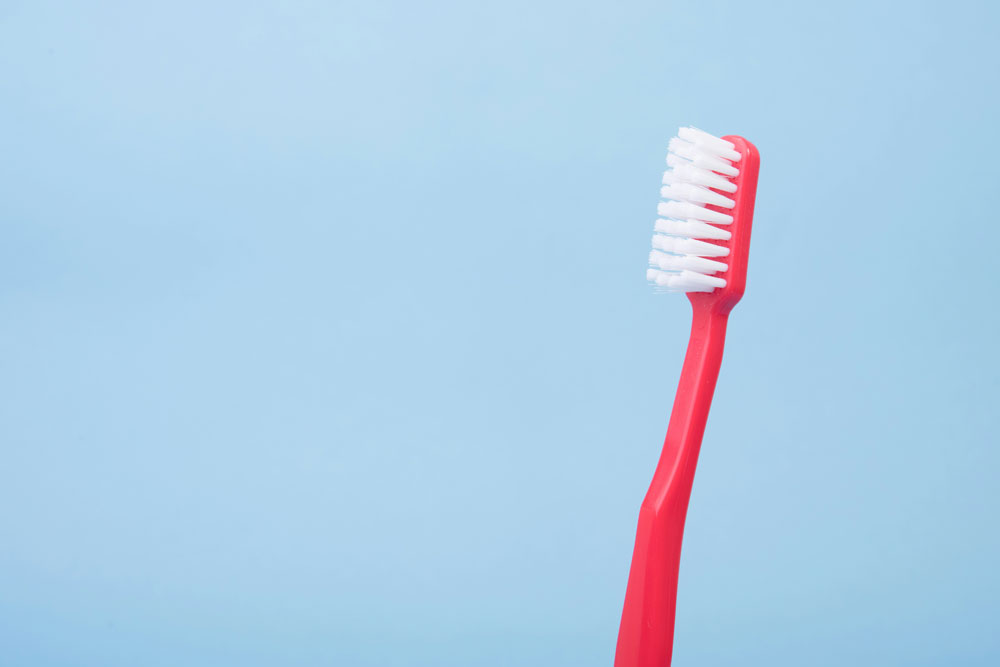
The general rule is every three months, or sooner if the bristles are visibly splayed or frayed. A worn brush head doesn’t clean properly — the bristles lose their shape and stop reaching where they need to. It’s an easy thing to forget, so a simple trick is to change it at the start of each season, or whenever the clocks change. For electric brush heads, the same three-month rule applies, and most brands now build a reminder into the handle.
It’s also worth changing your brush if you’ve been unwell, particularly with anything like a cold, flu, or a throat infection, to avoid reintroducing bacteria.

What about bamboo toothbrushes?
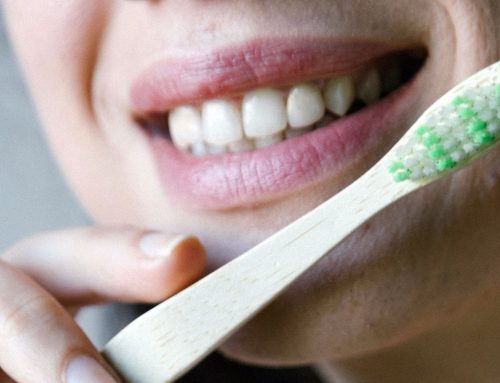
Bamboo toothbrushes have become a popular eco-friendly swap, and the appeal makes sense — bamboo handles are biodegradable, unlike standard plastic ones which sit in landfill more or less indefinitely. From a cleaning perspective, a bamboo brush with soft bristles works exactly the same as a plastic one. The handle material doesn’t affect how well it cleans your teeth.
A couple of things worth knowing before you switch. Most bamboo brush bristles are still made from nylon, the same as standard brushes, so check the packaging if avoiding plastic entirely matters to you (fully biodegradable bristle options do exist, but they’re less common). Bamboo handles can also hold onto moisture more than plastic, so let yours dry upright and out in the open rather than enclosed in a cup or cabinet, to avoid mould forming at the base.
If you like the idea of cutting down on your plastic use, bamboo is a solid choice. It’s not a magic upgrade for your oral health, but it’s not a downgrade either, and every small swap adds up.

The bit that matters most
Whichever brush you choose, the toothbrush itself is only ever half the story. The Oral Health Foundation’s research is clear on this: the biggest factor in oral health isn’t the brush, it’s the technique behind it. Two minutes, twice a day, soft bristles, gentle pressure, covering every surface including right along the gum line.
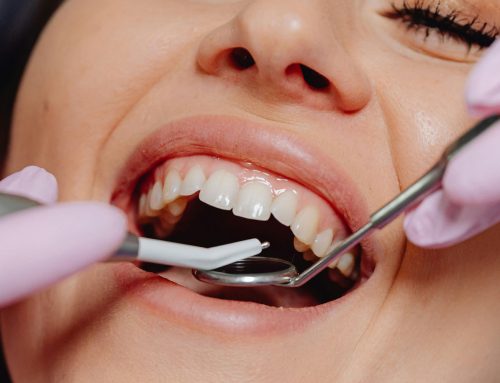
If you’re not sure how your technique stacks up, that’s exactly what your hygienist appointments are for. A quick check and a few pointers can make a real difference, and it’s something we’re always happy to talk through at your next visit.
So happy National Toothbrush Day. If yours has seen better days, today’s as good a day as any to retire it.