When we think about dental problems, we often think about decay, sugar, or forgetting to floss. But there’s another common cause of tooth damage that many people don’t realise is happening — everyday strain on your teeth.
Unlike toothache, strain on your teeth doesn’t always announce itself immediately. It can build gradually, wearing down enamel, placing pressure on the jaw, and leading to small fractures or sensitivity over time.
As we move into spring, take this as your sign to pause and check in. Are your teeth working harder than they should be?
What do we mean by ‘Strain’?
Your teeth are incredibly strong. Enamel is the hardest substance in the human body. But strength doesn’t always mean invincibility.
Teeth are designed for chewing food — not for constant clenching, grinding, or supporting tension in the jaw.
Strain happens when extra pressure is placed on teeth repeatedly. That pressure might come from:
- Clenching during the day
- Grinding at night (bruxism)
- Jaw tension linked to screen use
- Chewing hard objects (ice, pens, nails)
- Very strong or repetitive chewing habits
- Certain sports or high-intensity workouts
Over time, these forces can lead to wear and tear that you may not notice straight away.
Daytime tooth clenching – your hidden habit
Many people assume grinding only happens during sleep. In reality, daytime clenching is extremely common — especially during focused tasks.
If you spend long periods of time working at a computer, concentrating, driving, or even exercising, you may unconsciously press your teeth together. Some people hold tension in their shoulders. Others hold it in their jaw.
Your teeth should only touch when you’re eating or swallowing. At rest, there should be a small space between them.
If your teeth are frequently in contact throughout the day, that constant pressure can:
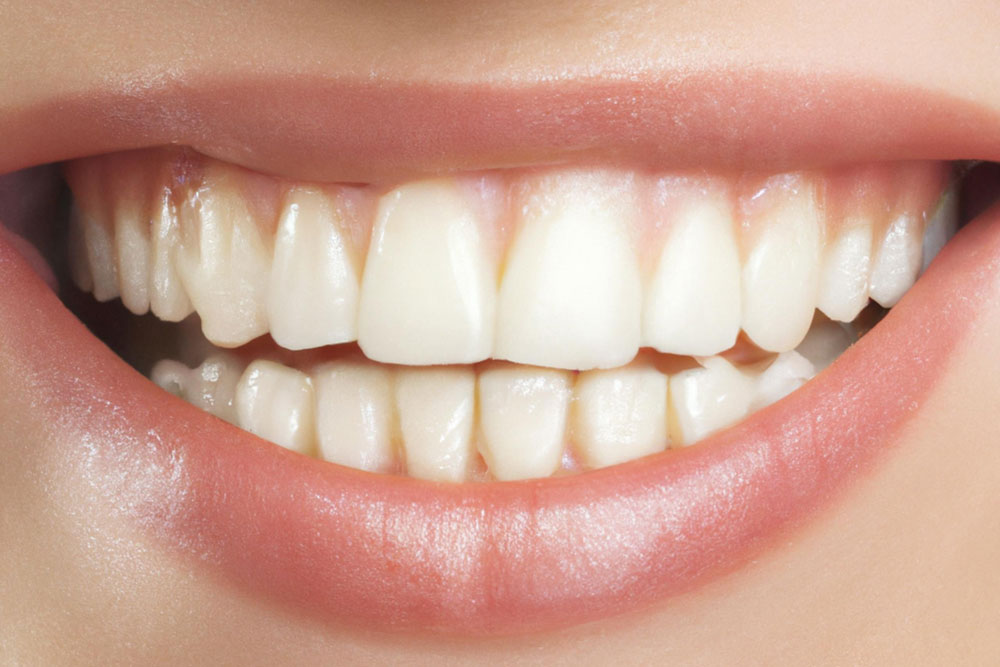
- Flatten the biting edges
- Cause sensitivity
- Lead to jaw discomfort
- Trigger tension headaches
- Contribute to small cracks
A simple check: notice your jaw position right now. Are your teeth touching? If you feel that this could be a problem for you, here are a few things you can do to address it:
- Awareness – The first step is noticing when it happens. Check if your jaw is tense or your teeth are touching throughout the day.
- Jaw exercises – Gently massaging the jaw muscles or doing simple relaxation exercises can release tension.
- Posture – Keeping your head and neck aligned can reduce strain that contributes to grinding.
- Stress management – Techniques like mindfulness, deep breathing, or short breaks can help reduce the urge to clench. Using a Pomodoro timer on your computer can encourage you to take short breaks every 25 minutes, check in and release any tension.
- Examine other factors – You may not be able to easily remove stressors (heavy workload, deadlines, annoying boss etc) but you can take some time to see if anything else is contributing to the clench – caffeine, nicotine withdrawal, environmental factors. Anything that you can adjust. Try playing soothing music or improving your workspace so that it is calming rather than chaotic. Chewing gum sugar free gum may help – as a habit replacement, but it could lead to further issues if you are overdoing it and it could make your jaw tension worse.

Night-time grinding (Bruxism)
Sleep bruxism is another common source of strain. Many patients are unaware they grind their teeth until a partner mentions the noise — or until we spot the signs for you, during your routine examination.
Signs can include:
- Worn or flattened teeth
- Tiny fractures
- Increased sensitivity
- Aching jaw muscles in the morning
- Headaches on waking
- Disrupted sleep
Grinding can place significant force on your teeth — often far more than normal chewing. Over time, it can shorten the teeth, damage fillings, and even lead to chips or cracks.
If grinding is suspected, a custom-made night guard can help protect the teeth by absorbing and redistributing the pressure.
The role of modern lifestyles
We tend to think about the stresses of our daily life as being easily apparent, leading to symptoms like muscle pain, headaches or fatigue. When it comes to your teeth the effects can be less obvious and the causes might be less obvious too. It’s not always not about dramatic stress or obvious tension. Often, they are subtle.
Long hours at screens can encourage jaw tightening. Caffeine can increase muscle tension in some people. Busy routines may mean we don’t notice minor discomfort until it becomes more persistent.
High-intensity exercise can also lead some people to clench unconsciously, especially during weightlifting or endurance training.
None of these are “bad” habits in themselves — but being aware of how they affect your jaw and teeth is important.
Small habits that stack up
Beyond clenching and grinding, there are other everyday behaviours that place unnecessary strain on teeth:
- Biting fingernails
- Holding hairpins or pens between your teeth
- Using teeth to open packaging
- Frequent consumption of very hard foods
Teeth are tools — but they are not designed to replace scissors or bottle openers. Even minor repeated pressure can create microscopic cracks that develop over time.
Early signs of tooth strain
Because strain builds gradually, the warning signs can be easy to dismiss.
You might notice:
- Slight sensitivity to cold
- Edges of teeth looking more translucent
- Small chips that seem to appear “out of nowhere”
- Jaw clicking or stiffness
- Teeth feeling tender when biting
These symptoms don’t always mean something serious is wrong — but they are worth investigating before they progress.
The earlier we identify excessive pressure or wear, the easier it is to manage.
Why this matters
Left unchecked, chronic strain can lead to:
- Significant enamel wear
- Fractured teeth
- Repeated filling failures
- Receding gums
- Jaw joint problems (TMJ issues)
- The need for more complex restorative treatment later
Preventative care is always simpler and more conservative than repairing advanced damage.
At the Wellesley Dental Practice, we routinely assess your bite patterns, wear marks, and jaw health during examinations. Often, small adjustments or protective measures can prevent larger issues developing in the future.
What you can do
In between check ups, simply being aware of some of the factors that cause tooth strain and checking in with yourself can make a real difference.
Here are a few practical steps:
- Check your resting jaw position
Your lips should be together, teeth slightly apart, and tongue resting gently on the roof of your mouth.
- Notice clenching triggers
Do you tighten your jaw when concentrating? Driving? Exercising? Setting reminders can help you build awareness.
- Protect your teeth at night
If grinding is suspected, a professionally fitted night guard offers significantly better protection than over-the-counter options. If you feel you may need something like this talk to our team and we can make an appointment to create a custom moulded mouth guard just for you. You might not have to use it forever – if you are able to deal with the cause of the tension then the symptoms may disappear over time, but it’s a good idea to keep checking in and monitoring the situation.
- Avoid using your teeth as tools
It sounds obvious — but it’s one of the most common causes of minor fractures. Open that packet with a pair of scissors and don’t present yourself as a human bottle-opener, even if it is your party trick! Stick a bottle opener on your keychain to incase you feel the urge to show off at parties.
- Don’t ignore tooth sensitivity or small chips
Early assessment allows for simple solutions. Mention it at your next appointment or book some time to get it checked out if you feel that it can’t wait.
A seasonal check-in
The change of season is often a natural moment to your reassess habits — not in a dramatic way, but thoughtfully.
If you’ve noticed jaw tension, morning headaches, or increasing sensitivity, it may be worth a conversation.
Strain on your teeth is rarely caused by one single event. It’s usually the result of small, repeated pressures over time.
The earlier we identify those pressures, the easier it is to protect your oral health in the long term.
If you have any concerns about clenching, grinding, or tooth wear, our team at Wellesley Dental Practice would be happy to assess your bite and discuss simple preventative options. Get in touch or book an appointment online.
Your teeth work hard every day. Making sure they’re not working harder than they need to is one of the simplest ways to safeguard your oral health.