Easter is one of those times of year that’s hard not to enjoy. The long weekend, the family time, the chocolate — lots and lots of chocolate. And we’re not here to spoil the fun. A little indulgence over Easter is perfectly fine, and most of us wouldn’t have it any other way.
But it’s worth understanding what all that extra sugar actually does to your teeth, because the more you know, the easier it is to make small choices that protect your smile without giving up the good stuff.
What sugar actually does to your teeth
Every time you eat or drink something sugary, the bacteria in your mouth feed on that sugar and produce acid as a byproduct. That acid attacks the enamel — the hard outer layer of your teeth — and can cause it to weaken and erode over time. Your saliva does a great job of neutralising that acid, but it needs time to do so. The problem with Easter isn’t just the amount of sugar — it’s the frequency. Grazing on chocolate eggs throughout the day means your teeth are under almost constant acid attack, with little time to recover in between.
It’s not just chocolate
Chocolate often gets all the blame at Easter – and there are some weird and wonderful variations on offer these days – but it’s worth keeping an eye on some of the other usual suspects too. Hot cross buns, cake, sweets and fizzy drinks all contribute to sugar intake, and some of them — particularly sticky or chewy treats — can linger on and between teeth for longer than chocolate does. Acidic drinks like fruit juice and fizzy drinks are a double hit, combining sugar with their own acidity.
That said, if you’re going to choose between a square of milk chocolate and a bag of sticky sweets, the chocolate is actually the lesser of two evils — it melts quickly and doesn’t cling to teeth in the same way.
Simple habits that make a real difference
You don’t need to do anything dramatic to protect your teeth over Easter. A few simple habits can make a big difference:
- Keep it to mealtimes where you can. Rather than grazing on chocolate throughout the day, try to keep sweet treats to mealtimes or set snack times. This limits the number of acid attacks your teeth are exposed to and gives your saliva time to do its job in between.
- Drink plenty of water. Water helps rinse away sugar and acid and keeps your mouth hydrated. It’s especially helpful after eating something sweet. If you can, choose still water over sparkling, as carbonated water is slightly acidic.
- Wait before you brush. It might feel counterintuitive, but you should wait at least 30 minutes after eating before brushing your teeth. Brushing too soon after an acid attack can actually damage softened enamel. Rinsing with water straight after eating is a good way to help in the meantime.
- Stick to your usual routine. It’s easy to let things slip over a long weekend, especially with late nights and disrupted routines. Try to keep brushing twice a day with a fluoride toothpaste and don’t skip the floss — sugar loves to hide between teeth.
- Cheese is your friend. If you’re putting together an Easter spread, cheese is actually great for your teeth. It stimulates saliva production and contains calcium and phosphates that help remineralise tooth enamel. A decent cheeseboard alongside the chocolate might be doing more good than you realise.
What about children?
Easter and chocolate go hand in hand for children, and there’s no need to be the Easter Bunny’s least popular assistant by confiscating everything. But it’s a good opportunity to talk to kids about why looking after their teeth matters, and to help them build good habits around treats. Limiting the chocolate to after meals rather than throughout the day is a practical approach that most children can understand, and making sure they brush properly before bed is especially important after a day of extra sugar.
If your child hasn’t had a dental check-up recently, Easter is a good reminder that it’s worth booking one in — children’s teeth can change quickly, and catching any early issues sooner rather than later always makes things easier.

Making Easter about more than just chocolate
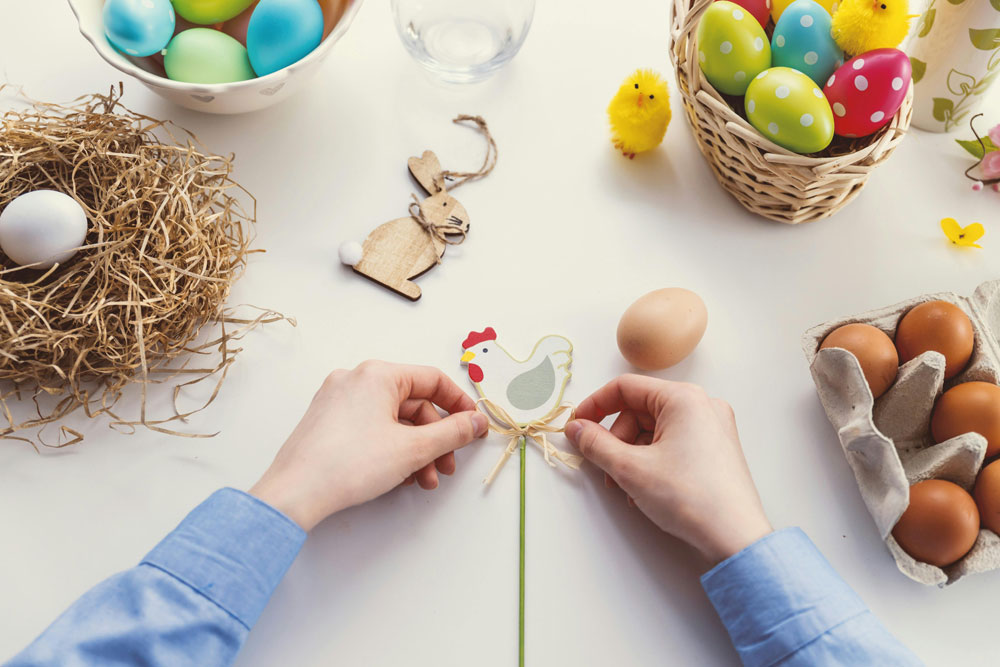
One of the easiest ways to reduce the sugar load over Easter — especially for children — is to make the holiday about more than just chocolate. There are plenty of Easter traditions that kids absolutely love that don’t revolve around sweets. Painting and decorating hard boiled eggs is a classic that never gets old, and the results make great decorations too. Easter egg hunts don’t have to be chocolate-only affairs either — toy-filled plastic eggs are just as exciting for younger children, and you can hide small toys, stickers, hair accessories or coins alongside the chocolate ones. Easter craft kits, colouring books, small games or gardening sets — growing sunflowers or cress is a popular one at this time of year — all make wonderful alternatives or additions to the usual chocolate haul. Not only does mixing things up reduce the overall sugar intake, it also helps children associate Easter with fun and creativity rather than just sweets, which is a healthy habit that’s worth building early.
A good time to book a check-up
If it’s been a while since your last appointment, the Easter break is actually a great time to get booked in. Whether it’s a routine check-up and clean, or you’ve noticed something that’s been niggling at you, there’s no better time to get it sorted than before the summer.
You can book an appointment at the Wellesley Dental Practice easily via this link, which you can also find on every page of our website, or give us a call on 020 8994 9292 and we can book you in. In the meantime, have a wonderful Easter. Enjoy the chocolate, look after your teeth, and we’ll see you soon. 🐣