Oral Health Information for Patients
THE WELLESLEY DENTAL PRACTICE In CHISWICK IS OPEN AS USUAL
We are pleased to let you know that we remain open for business as usual, offering a full range of services, with extra precautions in place. Our online booking service remains closed but you can call to make an appointment on 020 8994 9292. We will continue to update this page as circumstances change.
Local services have been set up for patients with COVID-19 symptoms who require urgent dental care (e.g. pain or swellings). These centres have appropriate facilities and Protective Personal Equipment such as FFP3 masks.
Meanwhile the following dental hospitals have coordinated their services for emergency and urgent dental care ONLY as follows:
- King’s College Hospital have set up an emergency helpline – you can call: 0203 299 5608 at 8am, and you will be allocated a timeslot to attend
- Guy’s Hospital have expanded their dental A&E to 3 floors. There is no phone line, they are offering a first come first served walk-in service for able, disabled and special care patients.
- St Thomas’ Hospital – all children are to be directed to St Thomas’ for walk in, not King’s or Guy’s
- The Royal London Dental Hospital – Phone triage only
- Adult dental emergencies – Please phone 020 3596 6869 between 9.30 – 12pm
- Paediatric Dental Emergencies- Please call 020 7377 7321 between 9.30am – 12pm
- Whipps Cross Hospital-between 9am to 11am. Please phone 020 8535 6437
Advice on spotting and preventing Covid-19 Coronavirus.
TIPS FOR KEEPING YOUR MOUTH HEALTHY
Dental and Gum home care during Coronavirus Outbreak; During this challenging time it is even more important to keep up a good home care routine regarding your gum and dental health.
GINGIVITIS
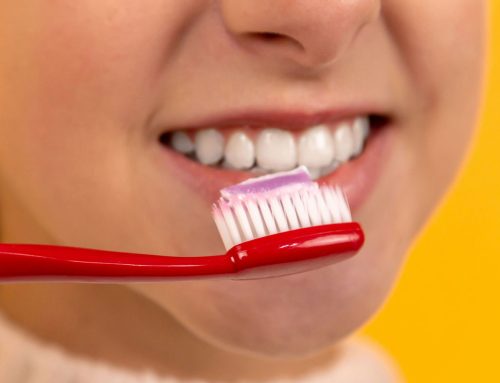
If you have bleeding gums and soreness and your gums look red and puffy – this means that they are inflamed and that there is some bacterial plaque around the teeth. Use a soft headed electric toothbrush, or a small manual toothbrush, in small circular motions on each tooth and along the gum line to clean as much plaque off as possible.
Start using dental floss in between the teeth and slightly down the side of each tooth under the gum line about 3mm – the gums will bleed at first, but this is normal as the gums are inflamed and this ‘disturbance’ makes them bleed, but it is better to continue flossing as it is cleaning all the bacteria from under the gum line, which will improve the condition of the gums relatively quickly. If they bleed a lot, use a peroxide based mouth rinse or a chlorahexadine digluconate-based rinse: ‘Curasept’ is best which we stock at the practice. ‘Peroxyl’ also good for gingivitis.
Adopt a good oral hygiene routine every day, especially getting to grips with flossing as this will make all the difference.
Most people that get ‘gingivitis’ are those who don’t use floss!
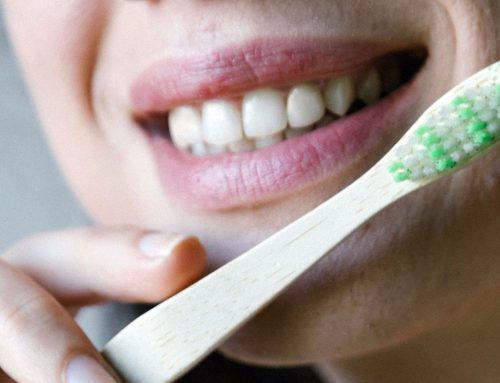
If you struggle or it is too difficult and your gums are still bleeding, try tiny ‘interdental brushes’ (available in most supermarkets) to clean in between your teeth. This can help a great deal, although not as thorough as floss. If you like electric gadgets, then try a ‘Waterpik’ – available in large supermarkets or online.
MAINTENANCE AND CARE
Those of you who are used to having regular hygiene appointments may notice a little intermittent bleeding of the gums if it has now been a while since your hygiene visit and/or if you are waiting for your 3/4/6 monthly session. During the wait, if you do notice more bleeding on flossing than usual, then it’s advisable to be as thorough and frequent as possible with your flossing – maybe step it up from 3 times a week to 5! If you are already flossing daily, and still getting a little more bleeding than usual, then it’s advisable to use a strong antibacterial mouth rinse such as Curasept or Peroxyl, or other brand that is specifically for ‘gum inflammation or ulcerations’ as these will be stronger than the daily-use mouth rinses. Use for 1-2 weeks, then resume your daily mouth rinse such as Ultradex, Fluorigard, Listerine Total Care, Oral B or Colgate etc.
NATURAL REMEDIES FOR GUM HEALTH
Tea tree oil has been said to be helpful to apply between the teeth to help reduce bacteria. ‘Oil pulling’ with sesame oil or walnut oil is also said to be helpful for the gum tissue. Bicarbonate of soda (baking soda) can be used on little interdental brushes or toothbrush which has an effervescent effect along the gums which also reduces harmful bacteria. Warm salty mouth rinse can be used for any soreness or pain around wisdom teeth.