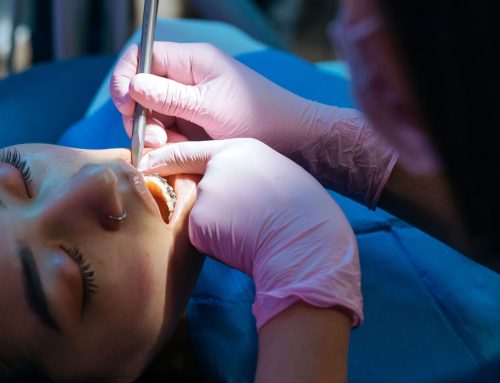
Maintaining good oral health is essential for our overall wellbeing, and it starts with a decent dental routine. This month we’re taking a look at some of the things you can do to keep your mouth in great condition between dental appointments, including how to choose and care for your toothbrush, using mouthwash, interdental brushes or dental floss, along with the benefits of chewing sugar-free gum.
How to choose a toothbrush
Choosing the right toothbrush is fundamental for effective oral hygiene. Here are key considerations:
- Bristle type: Soft-bristled toothbrushes are generally recommended by dentists because they are gentle on gums and effective in removing plaque and debris without causing damage. The bristle type will be written on the packet of any decent toothbrush and you may want to try a soft or medium and ess what works best for you.
- Head size: A small-headed toothbrush can reach your back teeth more easily and clean the hard-to-reach areas of your mouth.
- Handle design: Choose a toothbrush with a comfortable handle that provides a good grip. This is especially important for children and older adults.
- Electric vs. manual: Electric toothbrushes can be more effective at reducing plaque and gingivitis, particularly for people with limited dexterity. However, manual toothbrushes, when used correctly, can be just as effective.
- Ask your dentist: If you’re not sure which type of toothbrush is right for you, ask your dentist for advice.
How to care for your toothbrush
Proper care of your toothbrush is essential for maintaining its effectiveness and hygiene:
- Rinse thoroughly after every use: After brushing, rinse your toothbrush thoroughly with water to remove any remaining toothpaste and debris.
- Store upright: Store your toothbrush in an upright position and allow it to air dry. Avoid covering it or placing it in a closed container, as this can promote bacterial growth.
- Don’t share your toothbrush: Never share your toothbrush with others, as this can transfer bacteria and increase the risk of infections.
How Often to Change Your Toothbrush
Regularly check your toothbrush for signs of wear and tear. Most dentists recommend changing your toothbrush (or toothbrush head if you use an electric toothbrush) every few months. However, you should replace it sooner if the bristles are splayed or frayed, or after certain types of illness, in order to avoid reintroducing bacteria into your mouth.

Choosing a mouthwash
Mouthwash can be a beneficial addition to your oral hygiene routine but there are so many different types of mouthwash to choose from, picking one can be overwhelming.
- Antibacterial mouthwash: Helps reduce bacteria and control plaque and gingivitis.
- Fluoride mouthwash: Strengthens teeth and helps prevent cavities.
- Alcohol-free mouthwash: Suitable for those with sensitive mouths or dry mouth conditions.
When and how often to use mouthwash:
Use mouthwash after brushing and flossing to rinse away any remaining debris and bacteria. Follow the instructions on the mouthwash label. Most mouthwashes can be measured by the capful, typically swishing for 30 seconds to one minute. When you are done, spit it out, do not swallow it and if possible don’t rinse your mouth with water so that you get higher levels of protection from whatever ingredients are in the mouthwash (fluoride, etc) For maximum benefit, use mouthwash once or twice per day at a different time to brushing your teeth.
If you are unsure which type of mouthwash to buy, ask your dentist or hygienist for some advice.

Which Is Better: Interdental Brushes or Dental Floss?
Both interdental brushes and dental floss have their advantages and it is better to use at least one of these methods, rather than nothing at all.
Interdental brushes
- Easier to use for people with larger spaces between their teeth or dental work like braces and bridges.
- Effective at removing plaque and debris from between teeth and keeping your gums healthy.
Dental floss
- Better suited for people with tightly spaced teeth.
- Effective at cleaning the contact points between teeth where a brush may not reach.
The choice between interdental brushes and dental floss depends on your personal dental needs and preferences. Consult your dentist for a recommendation tailored to your oral health. Interdental brushes come in several sizes and they will be able to tell you exactly which ones will be most effective with your teeth.
How to use interdental brushes
Using interdental brushes correctly can significantly improve your oral hygiene:
- Choose the right size: Select a brush size that fits comfortably between your teeth without forcing it.
- Insert gently: Gently insert the brush between your teeth. Do not force it.
- Move the brush: Move the brush back and forth to clean the sides of your teeth and along the gum line.
- Clean all interdental spaces: Use the brush for all spaces between your teeth, adjusting the size as needed.
How to Use Dental Floss
For the best results with dental floss, try the following:
- Use enough floss: Use about 10 inches of floss, winding most of it around a finger on each hand, leaving about 1-2 inches to work with.
- Guide the floss: Hold the floss tightly between your thumbs and forefingers, and guide it between your teeth using a gentle rubbing motion.
- Curvature technique: Curve the floss into a C shape against the side of each tooth and gently slide it under the gum line.
- Change the floss regularly: Use a clean section of floss for each tooth to avoid transferring plaque or debris to other teeth.
The benefits of chewing sugar free gum
Chewing sugar-free gum can have several benefits for your oral health:
- Increases saliva flow: Chewing stimulates saliva production, which helps neutralise acids and wash away food particles.
- Freshens breath: Gum can help reduce bad breath and leave your mouth feeling fresh.
- Reduces plaque: Regular chewing of sugar-free gum – particularly after meals -can help reduce plaque formation and promote healthier gums.
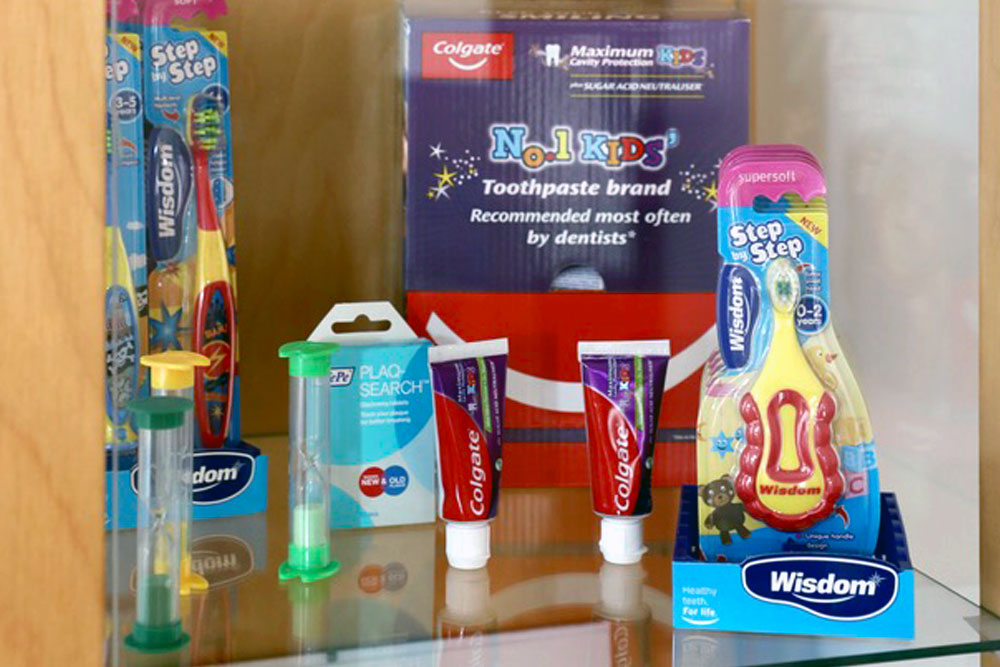
We sell a range of personal dental products here at the Wellesley, including mouthwash, toothbrushes, toothpaste, floss, interdental brushes and items for children including brushes and toothbrush timers. We are always happy to answer any queries and make recommendations to help you improve your at-home dental routine, with products that are tailored to your specific needs. Just ask!