National Smile Month is right around the corner, running from 12th May to 12th June 2025. This year’s theme is Feed Your Smile – and it’s all about the powerful connection between diet and oral health. At the Wellesley Dental Practice, we’re excited to support the campaign and help you make smart choices that will keep your smile bright, healthy, and strong.
Oral health is more than just brushing your teeth—it’s about understanding how the choices we make every day, especially around food, drink, and self-care habits, impact the long-term health of our teeth and gums. National Smile Month is the perfect time to refresh your oral hygiene routine, educate yourself on the importance of diet, and take part in some fun challenges that can make caring for your smile even more enjoyable.
Why diet matters for your smile
Your diet plays a crucial role in maintaining a healthy, beautiful smile. What you eat can influence everything from the strength of your enamel to the health of your gums. A balanced diet, proper hydration, and healthy snacks can contribute to stronger enamel, healthier gums, and reduced tooth decay. Let’s dive into why it matters:
- Enamel protection – Tooth enamel is the hardest substance in your body, but it’s vulnerable to wear and tear. A diet rich in nutrients helps strengthen and protect enamel, which acts as a barrier against decay and other dental issues.
- Gum health – Gum disease is a common issue that affects many people, and it’s often linked to poor diet and hydration. Consuming a balanced diet full of vitamins and minerals, along with staying hydrated, can help reduce inflammation and support gum health.
- Preventing tooth decay – Sugar is one of the biggest culprits when it comes to cavities. Bacteria in your mouth feed on sugar and produce acid that attacks your enamel. By limiting sugary, acidic, and processed foods, you can significantly reduce your risk of cavities and other long-term dental problems.
A well-rounded diet supports every aspect of your oral health—from the inside out. It’s essential to fuel your body with the right nutrients to ensure your smile stays as bright as possible.
Ideal foods for a healthy smile
When it comes to feeding your smile, the right foods make all the difference. Here’s a closer look at some of the best foods for your teeth and gums:
- Dairy products – Foods like milk, cheese, and yogurt are rich in calcium and vitamin D, which strengthen teeth and bones. Dairy also helps neutralize acids in the mouth, protecting against cavities.
- Leafy greens and vegetables – Vegetables such as spinach and kale are high in calcium and other nutrients that help promote strong teeth. Plus, they’re rich in fiber, which stimulates saliva production and helps clean your teeth naturally.
- Foods that promote gut health – A healthy gut can positively affect your oral health. Probiotic-rich foods like fermented vegetables, yogurt, and kefir can support a balanced microbiome, which plays a role in reducing the risk of gum disease and tooth decay.
- Healthy snacks – Choose snacks like fresh fruits, vegetables, and nuts, which provide essential vitamins and minerals for strong teeth and gums. Carrots, apples, and almonds are particularly good for your oral health.
- Water – Staying hydrated is critical for maintaining a healthy mouth. Drinking plenty of water helps wash away food particles and bacteria that could lead to plaque buildup
It is essential to limit sugary, acidic, and processed foods. These can weaken enamel and promote plaque buildup, leading to cavities and gum disease. Sugary drinks, sticky candies, and refined carbohydrates should be kept to a minimum to maintain optimal oral health.

The importance of a good oral health routine
While diet is crucial for oral health, it’s only part of the equation. National Smile Month is the perfect time to remind yourself of the basics of an effective daily oral health routine. A good oral hygiene routine not only protects your teeth but also supports your overall health:
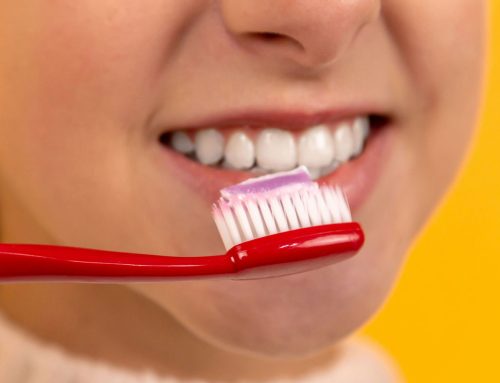
- Brush twice a day with fluoride toothpaste for at least two minutes. This helps remove plaque and bacteria that can lead to cavities and gum disease.
- Clean between your teeth using interdental brushes or floss to remove food particles and plaque from areas that your toothbrush can’t reach.
- Use fluoride mouthwash to rinse and protect your teeth. Fluoride helps strengthen enamel and provides additional protection against decay.
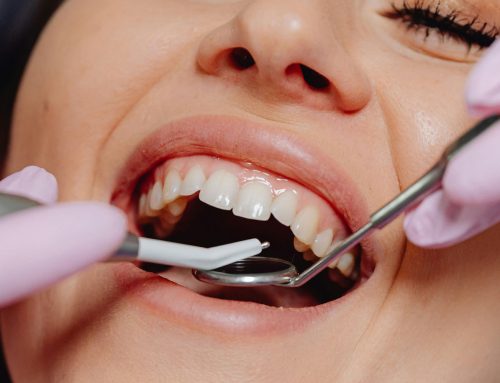
- Visit your dentist regularly for check-ups and professional cleanings. Regular visits ensure any potential issues are caught early, saving you time and discomfort in the long run. (You can book an appointment with is online, right now even if you’ve never visited us before – just follow this link!)
By incorporating these habits into your daily routine and combining them with a healthy diet, you’ll be well on your way to maintaining a bright and healthy smile.
Activities to try during National Smile Month 2025
Why not have a little fun while improving your oral health? Here are some activities to get involved with during National Smile Month this year:
1. The Great British Brushathon
Join the nation’s biggest brushing event on Monday 2nd June! Take a photo or video of yourself (and your family, if you like) brushing your teeth. Post it on social media with a comment on why oral health matters to you. Use #SmileMonth and #GreatBritishBrushathon and tag three friends to challenge them to share their own toothbrushing selfie!
For an added challenge, start a stopwatch and see if your brushing hits the two-minute mark! You may be surprised how many of us fall short of the recommended two minutes.
2. Swap out your sugary snacks
Making healthier snack choices is an easy but impactful way to improve your diet and oral health. Challenge yourself to swap sugary snacks for healthier options:
- Skip the sugar in hot drinks and opt for a sweetener instead.
- Choose water or milk over sugary fizzy drinks.
- Keep fruit juices to mealtimes and dilute them with water to reduce sugar content.
- Choose nuts over crisps, or try carrot sticks with hummus for a savory snack.
- For an extra challenge, you can make all your own pasta sauces from scratch to avoid added sugars in store-bought jars.
3. Try the Smile Month Daily Health Checklist
Building good habits starts with tracking your progress. Download and print our oral health checklist and aim to cross off each goal every day. This will keep you on track throughout National Smile Month and beyond. Each completed task brings you one step closer to a healthier smile!
4. Take on some Two-Minute Challenges
Two minutes might seem short, but it’s the ideal time for brushing your teeth! Challenge yourself with simple tasks that can be done in two minutes—whether it’s solving a jigsaw puzzle, doing star jumps, or spinning plates. Time yourself while brushing to see if you’re hitting that target, and use the challenge to make brushing more fun!
5. Keep yourself hydrated
Proper hydration is essential for overall health, and it can benefit your teeth too! Most adults need about 2 to 2.5 litres of water a day. During National Smile Month, make it a goal to drink more water and keep track of your daily intake using our water tracker. You’ll be surprised at how quickly it becomes a natural part of your routine.

Get Involved and Learn More
Explore the Oral Health Foundation Smile Month microsite to discover more about how diet affects oral health and to get tips for building a healthy daily routine. Together, we can make a positive impact on our smiles and oral health this National Smile Month. If you have any questions about how diet can impact your oral health, just ask next time you visit – and keep and eye on our socials during Smile Month for lots of useful tips: Instagram | Facebook.
In other news we have also launched practice newsletter. If you’d like to know more you can sign up for the newsletter using the form on our home page – and here’s a link to our latest issue (pdf).