For many of us, December is a month filled with celebrations — social events, office parties, family gatherings and the comforting return of festive favourite food and drink. Unfortunately, this also means that it can be one of the hardest months of the year for your teeth. Between sugary lattes, mulled wine, grazing buffets and late nights where brushing might be… optimistic, your smile has a lot to contend with.
But enjoying the festive season shouldn’t mean putting your oral health on the naughty list. With a little knowledge and a few smart swaps, you can make it through December with your smile (and your tooth enamel) intact.
We’ve put together a complete Wellesley Dental guide to festive food, drink and party-season dental care — with practical, realistic tips you can actually use.
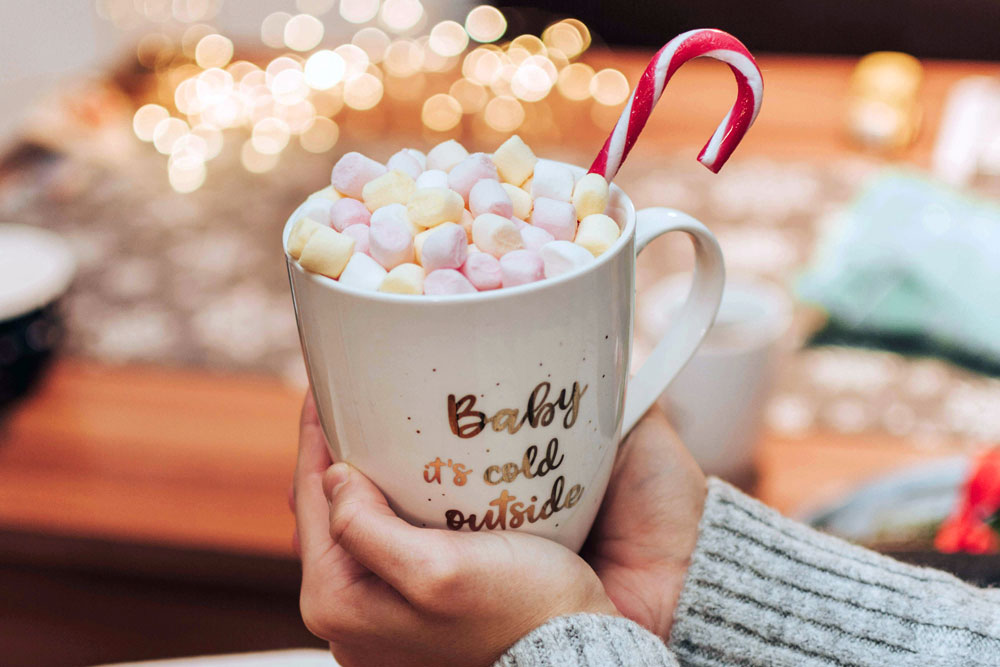
Christmas drinks – what are they really doing to your teeth?
December drinks are often far sweeter and more acidic than people realise. While a single festive latte isn’t harmful by itself, it’s the frequency of sipping throughout the day that creates the perfect environment for decay.
The shocking sugar content of festive coffees and hot chocolates
Speciality drinks can contain the sugar equivalent of an entire chocolate bar — sometimes two.
Many popular festive drinks range from 25g to more than 50g of sugar before toppings. Add syrups, whipped cream or chocolate shavings, and a candy cane or two – and the total climbs quickly. Even “medium” versions often exceed daily recommended sugar intake in one go.
Why does this matter?
Because sugary, milky drinks coat the teeth for long periods. Combined with the acidity of coffee, this softens enamel and feeds decay-causing bacteria.

Acidic offenders: mulled wine, Prosecco and winter cocktails
And it’s not just hot sugary beverages that can cause problems, alcohol can play a a part in your oral decline too:
- Mulled wine is both sugary and acidic.
- Sparkling wines and ciders have a low pH that weakens enamel.
- Cranberry-based cocktails can be surprisingly erosive.
Enjoy them — but understand the impact they might have and take steps to mitigate any problems.
Simple, realistic swaps
You don’t have to forego your favourite festive treats. Small changes make a big difference:
- Choose one pump of syrup instead of two
- Ask for sugar-free syrups where available
- Skip whipped cream (your teeth and your energy levels will thank you!)
- Alternate alcoholic drinks with water
- Sip festive coffees with a meal instead of as a standalone drink
- Use a straw for iced or cold drinks (less contact with your teeth)
What about the sugar tax?
Although the Chancellor recently confirmed in the budget, sugar tax is going to be extended to Pre-packaged milkshakes and coffees that are high in sugar – but not until 2028! The UK sugar tax applies to many soft drinks, encouraging manufacturers to reduce their sugar content — but it doesn’t apply to hot drinks like lattes, mochas or hot chocolates yet. It also doesn’t cover alcoholic drinks. So your favourite festive coffee remains just as sugary unless you explicitly choose a reduced-sugar option.

A dental-friendly guide to festive foods
The festive buffet table is full of foods that can be delicious — and a little tricky for teeth. But some festive favourites are actually better choices than you might expect.
Surprisingly tooth-friendly festive foods
Good news — not everything is bad for your teeth. Here are a few alternatives to that sugary overload:
- Cheese boards are great for neutralising acids and strengthening enamel.
- Nuts are low in sugar and full of minerals.
- Turkey and other savoury proteins are helpful for saliva production and enamel repair.
- Crudités and crunchy veg are natural cleaners that stimulate saliva.
- Dark chocolate – melts away from teeth more easily than toffees or caramels and contains less sugar than milk chocolate.
These can help balance out the more damaging snacks on offer.
Sticky, sugary, and hanging around
Some festive treats cling to teeth or sit in the mouth for longer, increasing the risk of decay:
- Toffees and caramels
- Mince pies and Christmas cake
- Dried fruit (very sticky and high in concentrated sugar)
- Fudge, nougat and chewy sweets
If you’re going to indulge (and why shouldn’t you?), pair them with water or cheese, avoid grazing all day long and if you’re heading out to a sugary buffet, take a packet of sugar-free gum to chew on afterwards to help counter some of the effects.
Timing matters more than people think
The biggest issue for oral health isn’t always how much sugar you eat — it’s how often.
Every time you eat or drink something sugary or acidic, your mouth enters an “acid attack” period lasting up to one hour.
Grazing (which is more likely to happen during the festive period) means your teeth never get a chance to recover.
Where possible:
- Enjoy treats at one time, rather than picking throughout the day
- Have sweets straight after meals, not mid-afternoon
- Keep water nearby
- Save the sticky stuff for special moments so your enamel gets a break

Keeping your smile bright this party season
December is full of photos, reunions and events. Looking after your smile isn’t just about avoiding decay — it’s also about feeling confident in the hundreds of pictures that inevitably appear in group chats the next morning.
The drinks that stain your teeth the most
Some festive favourites are notorious for staining your teeth:
- Red wine
- Mulled wine
- Dark spirits with cola
- Strong teas
- Black coffee
The trick isn’t to avoid them entirely, but to understand staining behaviour. A few smart habits help:
- Alternate sips with still water to rinse pigments away
- Drink darker beverages in one sitting, rather than nursing them for hours
- Consider lighter choices — white wine, sparkling water, herbal teas
- Rinse (don’t brush) after acidic drinks to avoid damaging softened enamel
Quick tips for fresh breath during long events
- Drink plenty of water
- Keep sugar-free gum on hand
- Avoid too many dairy-based canapés if they linger
- A small, travel-size mouthwash can be a party-season lifesaver
- Don’t skip your evening brushing, even if you’re home late (your gums will thank you the following morning!)
Thinking about whitening?
December is often the moment people want their smile looking its best. Whitening toothpastes can help remove surface staining but won’t change natural tooth shade. If you’re considering whitening for January events or new-year confidence, we recommend professional whitening treatment to protect enamel and achieve even, long-lasting results.
Your festive dental toolkit: simple habits with big impact
A few small adjustments can help keep your teeth safe this party season:
- Rinse with water after any sugary or acidic drink
- Wait 30 minutes before brushing after mulled wine, citrus or fizzy drinks as these can soften your enamel
- Stick to twice-daily brushing, even on late nights
- Use fluoride toothpaste to strengthen enamel
- Carry sugar-free gum for on-the-go protection
- Stay hydrated — saliva is your best natural defence
- Book a hygiene appointment in January to reset for the new year

The festive season is a time for celebration, relaxation and enjoying the foods and drinks that make this time of year special. Looking after your oral health isn’t about restriction — it’s about balance, awareness and small habits that help protect your smile long-term.
With a few easy swaps and some seasonal know-how, you can enjoy every latte, canapé and celebration without worrying about your dental health.
If you’d like personalised advice or want to start the new year with a brighter, cleaner smile, our team at the Wellesley Dental Practice is always here to help. Get in touch or book an appointment online and we can help you start 2026 with a healthy, happy smile.