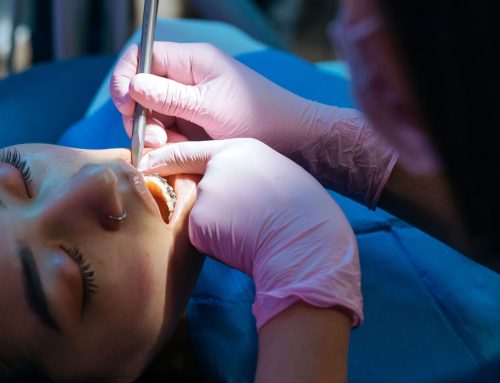
As the school holidays draw to a close and our kids prepare to return to school, this can be a really good time to examine our children’s brushing and oral health routine to make sure that their oral health is a top priority. Developing good habits early on can set the stage for a lifetime of healthy smiles. In this month’s blog, we’ll cover some essential topics to help you keep your child’s teeth and gums in great shape, from brushing tips to understanding the importance of regular dental visits.
5 Tips for getting your kids to brush their teeth
Teaching kids to brush their teeth and establishing a routine can sometimes be a challenge, but with the right approach, you can make it a fun and effective activity. Here are five tips to help:
- Make it fun
Turn brushing into a game by using apps, songs, or even a reward chart. Kids are more likely to brush when it feels like playtime. - Let them choose
Allow your child to pick out their toothbrush and toothpaste. Whether it’s a brush with their favourite cartoon character or a fruity-flavoured toothpaste, giving them a choice makes them more invested. - Lead by example
Brush your teeth together as a family. When kids see their parents brushing, they’re more likely to follow suit. - Use a timer
Ensure that your child brushes for the recommended two minutes by using a timer or a fun brushing song that lasts that long. - Positive reinforcement
Praise your child for brushing well or offer small rewards for consistent brushing (not sweets!). Positive reinforcement goes a long way in building good habits.
If you’re not sure that your child is brushing their teeth properly, ask your dentist for advice, they may be able to spot areas that are being missed during brushing at your child’s check up and can advise you on the best way to achieve and optimum clean.

Choosing the right toothpaste and toothbrush for your child
Buying and using the right dental products is crucial for maintaining your child’s oral health. Here’s what to look for:
- Age-appropriate toothbrush
Choose a toothbrush with soft bristles and a small head to fit comfortably in your child’s mouth. For younger children, a brush with a chunky handle is easier for little hands to grip. You can also get electric toothbrushes for different age groups. - Fluoride toothpaste
Fluoride is essential for strengthening enamel and preventing cavities. For children under three, use a smear of fluoride toothpaste the size of a grain of rice. For children aged three to six, use a pea-sized amount. - Fun and Engaging Designs
Toothbrushes and toothpaste that feature favourite characters or fun colours can make brushing more appealing to kids.

The role of diet in Children’s Oral Health
A balanced diet plays a significant role in your child’s oral health. Here are some tips on how to ensure their diet supports strong, healthy teeth:
- Limit sugary snacks and drinks
Sugary foods and drinks can lead to cavities. Try to limit your child’s consumption of sweets, cakes, and juices. When they do indulge, ensure they brush their teeth afterwards. - Encourage drinking water
Water helps rinse away food particles and bacteria. Encourage your child to drink water throughout the day, especially after meals. - Choose calcium-rich foods
Dairy products like milk, cheese, and yogurt are rich in calcium, which is essential for strong teeth. Leafy greens and almonds are also good sources of calcium. - Crunchy fruits and veggies
Foods like apples, carrots, and celery are not only nutritious but also help clean teeth by increasing saliva production, which naturally washes away bacteria.

The first dental visit: what to expect
Taking your child to the dentist for the first time can be a daunting experience, but it doesn’t have to be. Here’s what to expect and how to prepare:
- When to go
It’s recommended to schedule your child’s first dental visit by their first birthday or within six months of their first tooth coming in. - Preparing your child
Talk to them about what to expect in a positive way. Read books or watch videos about visiting the dentist to make it seem fun and exciting. - What will happen
The first visit is usually short and sweet. Involving a gentle examination of your child’s teeth, gums, and jaw. The dentist will check for any signs of decay and provide guidance on brushing, diet, and future dental visits. - Establishing a routine: Regular dental visits should be scheduled every six months to monitor your child’s oral health and catch any potential issues early on.
You child’s Oral Health Milestones: a timeline for parents
Understanding when key oral health milestones occur can help you stay on top of your child’s dental care. Here’s a timeline to guide you:
- 0-6 Months: Begin wiping your baby’s gums with a clean, damp cloth after feedings to remove bacteria.
- 6-12 Months: Your baby’s first tooth will likely appear. Start brushing with a soft, infant-sized toothbrush and a smear of fluoride toothpaste.
- 12-24 Months: More teeth will come in, and it’s time for the first dental visit. Continue brushing twice daily and begin teaching your child to spit out toothpaste.
- 2-3 Years: Your child should be brushing with a pea-sized amount of fluoride toothpaste. Begin teaching them to floss, especially if teeth are close together.
- 4-6 Years: Most of your child’s baby teeth will be in. Continue regular dental visits and start discussing the importance of oral health.
- 6-12 Years: Adult teeth begin to replace baby teeth. Reinforce good brushing and flossing habits and consider using dental sealants to protect against cavities.
The importance of regular dental checkups for kids
Regular dental checkups are vital for maintaining your child’s oral health. Here’s why they matter:
- Early detection of problems
Regular visits allow the dentist to catch issues like cavities, misalignment, or gum disease early, preventing more serious problems later on. - Professional Cleaning
Even with good brushing habits, plaque can build up in hard-to-reach areas. Professional cleanings help remove plaque and tartar, keeping your child’s teeth and gums healthy. - Reinforcing good habits
Checkups are an opportunity for the dentist to reinforce the importance of brushing, flossing, and a healthy diet. It also helps normalize dental visits, reducing fear or anxiety. - Customised care:
Every child’s mouth is different. Regular checkups allow the dentist to provide personalized advice and care tailored to your child’s needs.
By following these guidelines and staying proactive about your child’s oral health, you can help ensure they develop strong, healthy teeth that will last a lifetime. From making brushing fun to choosing the right dental products and understanding the importance of regular checkups, these steps are key to fostering good oral hygiene habits in your child.
If you have any questions or need further guidance, don’t hesitate to contact us. Remember, a healthy smile starts early!