As the year draws to a close, many of us naturally reflect on what’s gone well, what’s slipped, and what we’d like to do differently in the months ahead. While oral health may not always be top of your resolution list, it plays a crucial role in our overall wellbeing — and the end of the year is an ideal time to take stock.
Between busy schedules, festive indulgence, disrupted routines and travel, our dental habits can easily drift in December. Rather than starting January feeling behind, a short end-of-year oral health check-in can help you reset, refresh, and head into the new year with confidence.
Here are six simple but effective things you can do this January — and why small changes now can make a big difference over the year ahead.
1. Replace your toothbrush (or brush head)
Let’s start with the easiest thing you can do to switch up your oral routine for the start of the year – new me, new toothbrush!
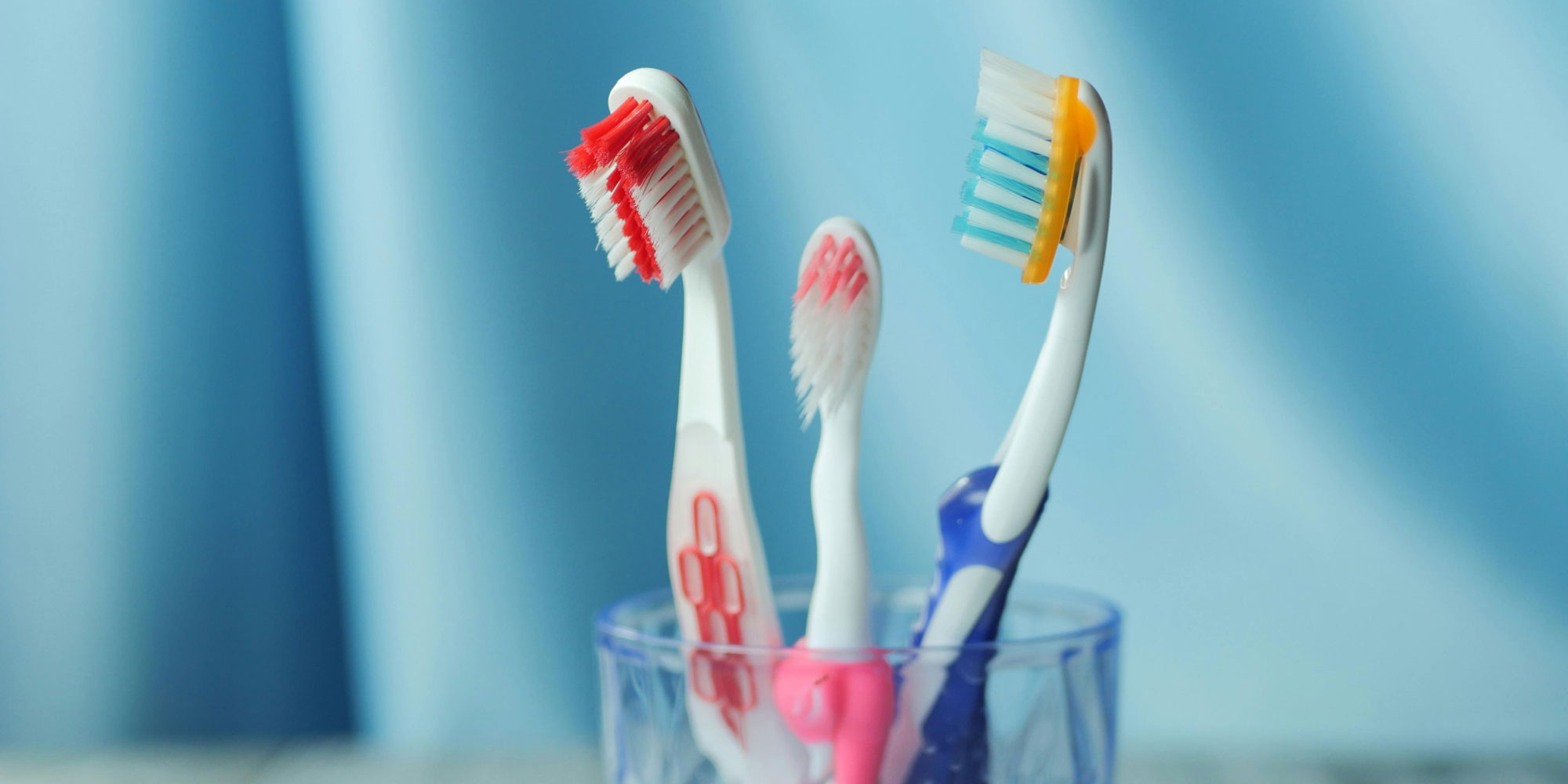
If you can’t remember when you last changed your toothbrush or electric brush head, it’s probably overdue. As a general rule, toothbrushes and brush heads should be replaced every three months, or sooner if the bristles are splayed or worn.
Why it matters:
- Worn bristles are far less effective at removing plaque
- Old brush heads can harbour bacteria
- A fresh brush often improves brushing technique without you even realising
The end of the year is a natural reminder point. If you change your brush now, you’ll know your next swap is due around March — an easy habit to stick to.
New year tip: Keep a spare toothbrush or brush head at home so there’s no excuse to delay when the time comes.

2. Take stock of your brushing and flossing habits
Be honest with yourself — not critical.
Are you brushing twice a day for two minutes?
Are you regularly cleaning between your teeth?
Have late nights, busy mornings, or travel disrupted your routine recently?
December is notorious for rushed mornings and tired evenings, and it’s very common for flossing or interdental cleaning to slip. The goal isn’t perfection — it’s awareness.
Ask yourself:
- What’s been working well?
- Where do I tend to fall off track?
- What’s one small improvement I could make to my oral health routine in January?
Even a small change like adding interdental cleaning a few times a week, rather than aiming for a daily habit straight away, is a meaningful step forward.

3. Review your children’s brushing progress (and habits)
The end of the year is a great moment for parents to pause and check in on children’s oral health routines.
As children grow, their needs — and their independence — change. A child who was happily supervised at the sink earlier in the year may now be brushing alone, but not always thoroughly.
Things to review:
- Are they brushing twice a day?
- Are they using the correct toothpaste for their age?
- Are you still supervising where needed (often until age 7–8)?
- Has brushing become rushed or inconsistent?
Holiday routines can throw children off, so a gentle reset before school resumes can help prevent bad habits carrying into the new year.
Top tip: Make January about encouragement, not criticism. Small reminders and positive reinforcement go a long way.

4. Check your toothpaste and oral care supplies
It sounds simple, but many households run low on toothpaste, floss, or mouthwash without realising — especially after busy periods.
Before January arrives:
- Check you’re using a suitable fluoride toothpaste appropriate for your needs
- Make sure you have floss or interdental brushes that actually fit your teeth
- Replace any empty or nearly-finished products
If you’ve been meaning to try an electric toothbrush, water flosser, or different interdental brushes, the new year can be a good time to upgrade — particularly if you’ve been advised to do so by your dentist or hygienist.
5. Reflect on sugar, snacking, and festive habits
The festive season often brings more frequent snacking, sugary drinks, and treats spread throughout the day — and it’s the frequency, not just the amount, that increases risk to teeth.
Rather than feeling guilty, use this as a moment to reflect:
- Have sweet treats become more regular?
- Are sugary drinks being sipped over long periods?
- Has late-night snacking crept in?
January offers us an excellent opportunity to gently rebalance habits, such as:
- Keeping sweet foods to mealtimes
- Choosing water between meals
- Swapping some sugary snacks for tooth-friendly alternatives
Sustainable change is far more effective than strict, short-lived resolutions.

6. Book your 2026 dental check-up (and hygiene visit)
One of the best things you can do for your oral health before January is simply to get your next appointments booked.
Why now?
- January diaries fill up quickly
- Booking ahead removes the mental load
- You’re more likely to attend when it’s already scheduled
Many patients find that having a regular routine — for example, a check-up every six months and hygiene visits as recommended — helps prevent small issues becoming bigger ones.
If you’ve been putting off an appointment, the new year is an ideal reset point. Prevention is always simpler, more comfortable, and more cost-effective than treatment.
After weeks of festive food, drinks, and disrupted routines, a professional clean can:
- Remove plaque and tartar build-up
- Freshen breath
- Help reset gum health
- Reinforce good habits with personalised advice
Many patients tell us they feel more motivated to look after their teeth after a hygiene visit — making it a strong foundation for the year ahead.
Think of it as a reset, not a reaction.
Our hygienists at the Wellesley use Airflow Guided Biofilm Therapy (GBT), projecting a high pressure stream of air water and a fine coloured powder onto your teeth to gently remove plaque, stains and discolouration.
It’s possible to book your check up or hygienist appointment with us online, even of you’ve never visited us before. Just follow this link which is also on every page of our website.

Rethinking dental resolutions: forming habits that stick
When it comes to New Year’s resolutions, the most successful ones tend to be specific, realistic, and kind to ourselves.
Instead of:
- “I’ll be perfect with my teeth this year”
Try:
- “I’ll floss three times a week”
- “I’ll replace my brush head on time”
- “I’ll attend my check-ups regularly”
Or even:
- “I’ll ask my dentist or hygienist for advice rather than guessing what to do”
Oral health isn’t about dramatic overnight change. It’s built on consistent, everyday habits — and those habits are far easier to maintain when they feel achievable.
A calm, confident start to the year
An end-of-year oral health check-in doesn’t need to be time-consuming or overwhelming. A few small actions now can set you up for a healthier, more confident smile in the year ahead.
If you’d like support, guidance, or simply a fresh start, the team at Wellesley Dental Practice is here to help. Whether it’s a routine check-up, hygiene visit, or advice tailored to you or your family, starting the new year with your oral health on track is one resolution worth keeping. Just get in touch to find out how we can help.